Is Quinoa Gluten Free?
Yes, quinoa is naturally gluten free and widely used in gluten free diets due to its high nutritional value and easy digestibility. It is safe for many people with celiac disease and gluten sensitivity, though cross-contamination can occur during processing. Rich in protein, fiber, and minerals, quinoa offers balanced nutrition while serving as a healthy alternative to gluten-containing grains like wheat and barley.
What Is Quinoa?
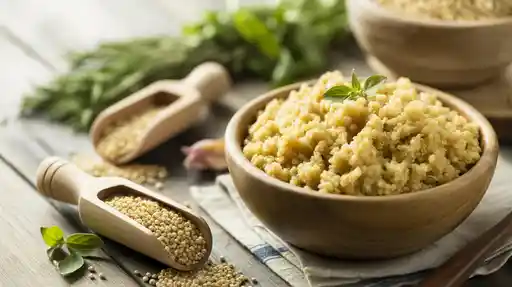
Quinoa is a plant seed that is commonly cooked and eaten like a grain. It has become popular worldwide because of its nutritional value and its role in gluten free eating.
Many people searching “Is Quinoa Gluten Free” want to know whether quinoa is safe for celiac disease, gluten sensitivity, or wheat free diets. In its natural form, quinoa does not contain gluten and is considered a safe food for most people avoiding gluten.
Is Quinoa a Gluten Free Grain?
Yes, quinoa is considered a gluten free grain alternative. Although it is technically a seed, it is prepared like rice or oats. Quinoa is naturally free from wheat, barley, and rye, which are the main sources of gluten.
Does Quinoa Contain Gluten?
No, quinoa does not naturally contain gluten. This is why quinoa is commonly included in gluten free meal plans. However, some packaged quinoa products may face cross-contamination during harvesting or processing, so certified gluten free options are often the safest choice.
Is Quinoa Wheat Free and Gluten Free?
Yes, quinoa is both wheat free and gluten free. It belongs to a completely different plant family than wheat and contains no gluten proteins. This makes it suitable for people with gluten intolerance or celiac disease.
Is Quinoa Gluten Free and Vegan?
Quinoa is naturally gluten free and vegan. It is plant-based and provides protein, fiber, magnesium, and iron. Many vegan diets include quinoa because it contains all nine essential amino acids.
Is Quinoa Gluten-Free and Low Carb?
Quinoa is gluten free, but it is not a very low-carb food. It contains healthy carbohydrates along with fiber and protein, making it a balanced energy source for daily meals.
Is All Quinoa Gluten Free?
Quinoa is naturally gluten free, but not every quinoa product is completely safe for people with celiac disease or gluten sensitivity. Many people searching “Is Quinoa Gluten Free” assume all quinoa products are automatically safe. However, processing, packaging, and storage conditions can sometimes expose quinoa to gluten-containing grains.
Certified Gluten Free Quinoa
Certified gluten free quinoa is the safest option for strict gluten free diets. These products are tested to meet gluten free safety standards and are usually processed in facilities that reduce contamination risks. People with celiac disease often prefer certified quinoa because even small amounts of gluten can trigger symptoms.
Organic Quinoa and Gluten Safety
Organic quinoa can still be gluten free, but organic labeling does not guarantee gluten safety. Some organic quinoa products may be processed on shared equipment with wheat, barley, or rye. Reading ingredient labels and checking for gluten free certification is important before buying packaged quinoa products.
Quinoa Cross Contamination Gluten Risks
Cross-contamination is one of the biggest concerns with quinoa. It can happen during farming, transportation, storage, or manufacturing. Bulk bins and mixed grain facilities may increase the risk of gluten exposure.
Even though quinoa itself does not contain gluten, contamination can make certain products unsafe for sensitive individuals.
Why Some People React to Quinoa
Some people feel bloating or stomach discomfort after eating quinoa. In many cases, this happens because of cross-contamination rather than gluten naturally found in quinoa.
Others may react to saponins, a natural coating on quinoa seeds. Washing quinoa thoroughly before cooking may help reduce irritation and improve digestion.
When to Be Careful with Quinoa
Quinoa is naturally gluten free, but some quinoa products and meals may still contain hidden gluten. People searching “Is Quinoa Gluten Free” should understand that preparation methods, packaged ingredients, and shared cooking spaces can affect gluten safety.
Being careful with processed foods and restaurant meals is important, especially for people with celiac disease or gluten sensitivity.
Processed Quinoa Products

Processed quinoa foods such as flavored quinoa packets, snack bars, cereals, and frozen meals may contain gluten-based additives. Seasonings, sauces, and stabilizers sometimes include wheat ingredients. Always check ingredient labels carefully before buying processed quinoa products.
Restaurant Cross-Contamination Risks
Restaurant meals can increase the risk of gluten exposure. Even when quinoa itself is gluten free, it may be cooked on shared surfaces or mixed with gluten-containing foods.
Shared pans, utensils, and fryers are common causes of cross-contamination. Asking restaurants about cooking methods can help reduce risks for sensitive individuals.
Hidden Gluten Ingredients in Quinoa Meals
Some quinoa dishes contain sauces, spice blends, or broth powders that include gluten. Soy sauce, malt flavoring, and thickening agents are common hidden sources. Salads, quinoa bowls, and packaged side dishes may also contain wheat-based ingredients that are not obvious at first glance.
How to Read Gluten Free Labels Properly
Reading labels carefully is one of the safest ways to avoid hidden gluten. Look for certified gluten free symbols and check ingredient lists for wheat, barley, rye, or malt.
Products labeled “may contain wheat” or “processed in shared facilities” may not be safe for people with celiac disease. Choosing simple and minimally processed quinoa products is usually the safest option.
Is Quinoa Safe for Celiac Disease?
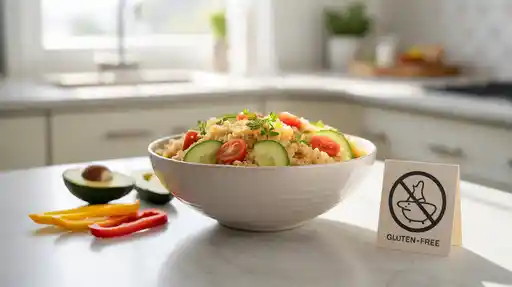
Quinoa is generally considered safe for people with celiac disease because it does not naturally contain gluten proteins. It is commonly included in gluten free diets as a nutritious alternative to wheat-based grains.
Pure quinoa can provide protein, fiber, iron, and magnesium while supporting balanced meals for people avoiding gluten. However, certified gluten free products are often the safest option because contamination can happen during processing or packaging.
Can Celiacs Eat Quinoa?
Yes, most people with celiac disease can safely eat quinoa. Since quinoa does not contain wheat, barley, or rye, it is usually well tolerated in gluten free meal plans. It is also nutrient-dense, making it a helpful grain alternative for people following long-term gluten free diets.
Quinoa and Gluten Sensitivity
People with gluten sensitivity often tolerate quinoa without problems. Still, some individuals may notice bloating or stomach discomfort after eating it. In many cases, the issue comes from cross-contamination or from saponins, the natural coating found on quinoa seeds. Washing quinoa before cooking can help reduce irritation.
Is Cooked Quinoa Gluten Free?
Cooked quinoa remains gluten free when prepared with safe ingredients and clean cookware. Problems can happen if sauces, seasonings, or shared utensils introduce gluten during cooking. Plain cooked quinoa is usually considered one of the safer gluten free meal choices.
Best Ways to Prepare Quinoa Safely
Gluten-Free Quinoa Products
Quinoa is used in many gluten free food products because of its nutritional value and versatility. From flour to pasta, quinoa-based foods are popular among people following gluten free diets. However, not every processed quinoa product is completely safe, so checking ingredient labels and certifications remains important.
Is Quinoa Flour Gluten Free?

Yes, quinoa flour is naturally gluten free because it is made from ground quinoa seeds. It is commonly used in gluten free baking for bread, pancakes, muffins, and cookies.
Quinoa flour also adds protein and fiber compared to traditional wheat flour. Choosing certified gluten free quinoa flour helps reduce contamination risks during processing.
Is Quinoa Pasta Gluten Free?
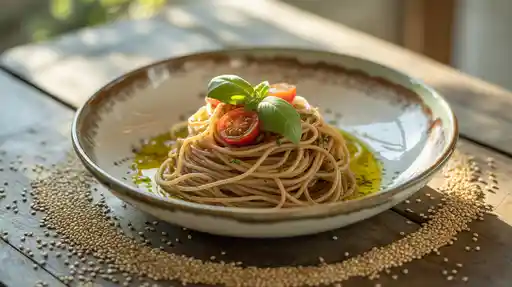
Quinoa pasta is usually gluten free when made entirely from quinoa or mixed with other gluten free grains like rice or corn. However, some pasta products may still contain wheat-based ingredients. Reading labels carefully is important before buying packaged pasta products.
Is Puffed Quinoa Gluten Free?
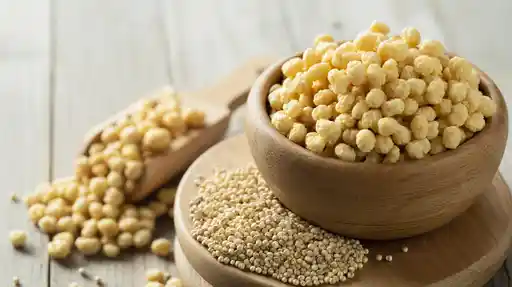
Puffed quinoa is generally gluten free and is often used in cereals, snack bars, and healthy snacks. Since puffed quinoa is lightly processed, it usually remains safe for gluten free diets. Still, flavored versions may contain additives or sweeteners that include gluten ingredients.
Is Costco Quinoa Salad Gluten Free?
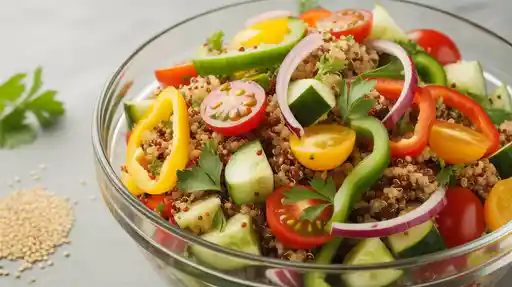
Costco quinoa salad may be gluten free depending on the ingredients and preparation methods used at different locations. Dressings, seasoning mixes, or shared preparation surfaces can sometimes introduce gluten. Checking the ingredient list or asking store staff about gluten safety is the best way to confirm whether the salad is suitable for a gluten free diet.
What Other Grains Are Gluten Free?
People following a gluten free diet often look beyond quinoa for more healthy grain options. Several naturally gluten free grains provide fiber, minerals, and nutrients while helping add variety to meals.
However, packaged grain products may still face cross-contamination during processing, so certified gluten free options are usually safer.
Is Buckwheat Gluten Free?
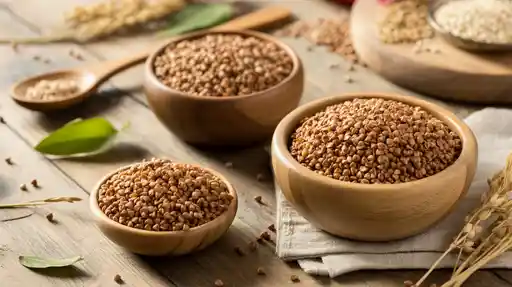
Yes, buckwheat is naturally gluten free despite its name. It is not related to wheat and is commonly used in pancakes, noodles, and porridge. Buckwheat also contains fiber and antioxidants that support healthy digestion.
Is Amaranth Gluten Free?
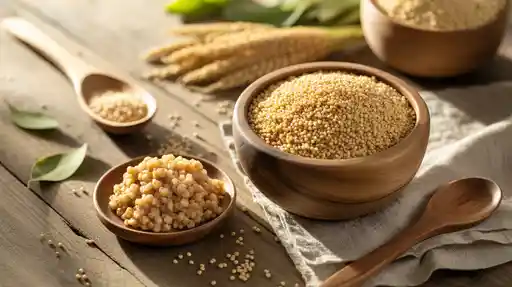
Amaranth is naturally gluten free and rich in protein, iron, and magnesium. It has a slightly nutty flavor and is often used in porridge, baked foods, and gluten free grain mixes.
Is Millet Gluten Free?
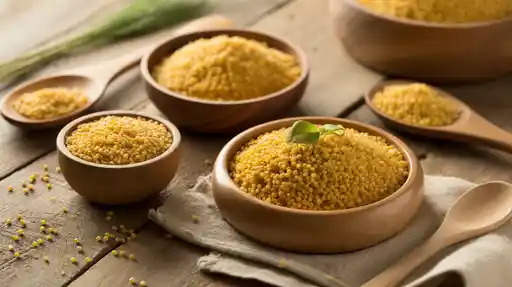
Yes, millet is gluten free and commonly used in flatbreads, grain bowls, and cereals. It is lightweight, easy to digest, and provides important minerals like phosphorus and magnesium.
Is Whole Oats Gluten Free?
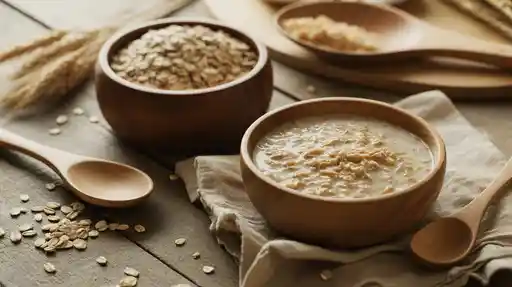
Whole oats are naturally gluten free, but they are often contaminated during farming or processing. Certified gluten free oats are usually the safest choice for people with celiac disease.
Is Teff Gluten Free?
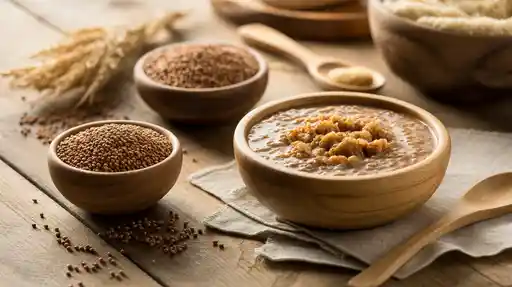
Teff is a tiny gluten free grain commonly used in Ethiopian cooking. It is high in iron, fiber, and protein, making it a nutritious option for gluten free diets.
Is Sorghum Gluten Free?
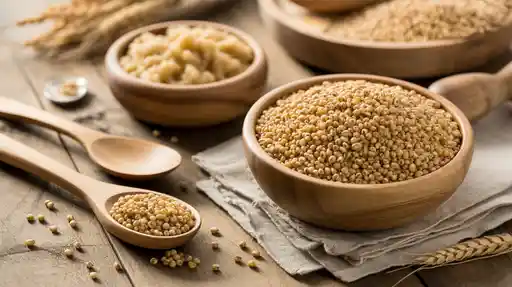
Yes, sorghum is naturally gluten free and widely used in gluten free flour blends. It has a mild flavor and works well in bread, porridge, and grain-based recipes.
Is Rice Gluten Free?
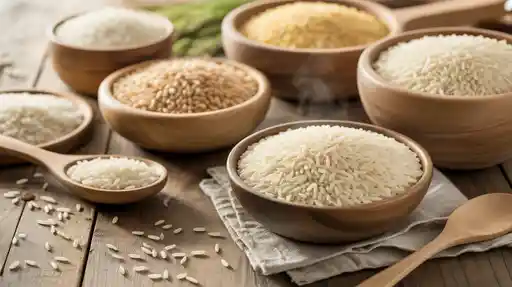
Yes, plain rice is naturally gluten free. White rice, brown rice, jasmine rice, and basmati rice are generally safe for gluten free diets. However, flavored rice products and processed rice meals may contain hidden gluten ingredients.
Is Barley Gluten Free?
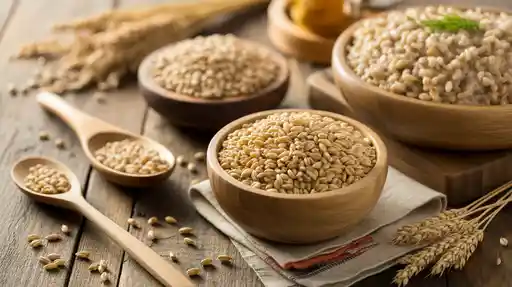
No, barley is not gluten free. Barley contains gluten proteins and should be avoided by people with celiac disease. It is commonly found in soups, cereals, breads, and malt-based products.
Is Couscous Gluten Free?
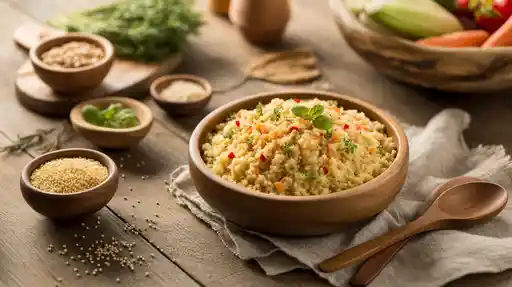
Couscous is not gluten free because it is traditionally made from wheat. Even though it looks similar to quinoa, couscous contains gluten and is not suitable for strict gluten free diets.
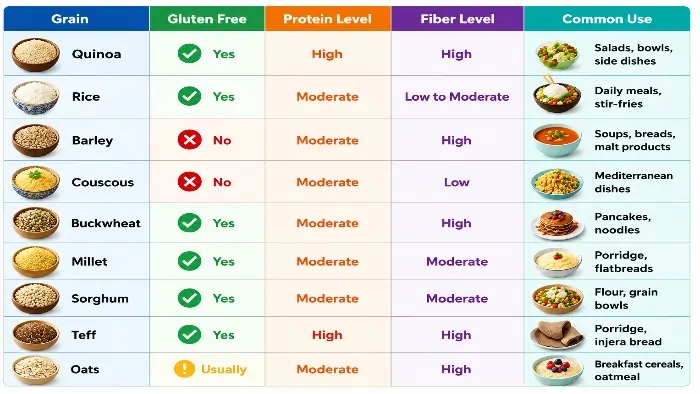
Best Gluten Free Grains Besides Quinoa
Several grains besides quinoa are naturally gluten free. Popular options include brown rice, buckwheat, millet, sorghum, teff, and certified gluten free oats. These grains provide variety, fiber, and nutrients while supporting gluten free eating patterns.
Health Benefits of Gluten-Free Quinoa
Quinoa is a powerful gluten free grain. It is packed with nutrition and easy to add to daily meals. People choose it for better health and balanced energy. The health benefits of gluten-free quinoa make it popular in modern diets. It supports digestion, blood sugar control, and overall wellness naturally.
Quinoa Gluten Free Benefits
Quinoa is naturally gluten free and rich in protein, fiber, and essential amino acids. Its gluten free benefits make it ideal for celiac and gluten sensitivity diets while supporting digestion, energy balance, and overall nutritional health.
Is Quinoa Good for Diabetes?
Quinoa helps manage blood sugar due to its low glycemic index and high fiber content. Is quinoa good for diabetes? Yes it supports stable glucose levels, reduces spikes, and improves insulin response when included in balanced meals.
Does Quinoa Have Gluten or Carbs?
Does quinoa have gluten or carbs? Quinoa is gluten free but contains complex carbohydrates that provide steady energy. Unlike refined grains, it digests slowly, supports satiety, and helps maintain healthy weight and metabolic function.
Is Quinoa Better Than Rice?
In many cases, quinoa offers more protein, fiber, and micronutrients than white rice. It is a stronger nutrient-dense alternative for people seeking balanced gluten free meals and better nutrition.
Is Quinoa Anti-Inflammatory?
Quinoa is considered anti-inflammatory due to its antioxidants, minerals, and phytonutrients. Is quinoa anti-inflammatory? Regular intake may help reduce inflammation, support heart health, and improve overall wellness when part of a healthy diet.
Overall, quinoa gluten free nutrition makes it a smart everyday grain for balanced diets and long term wellness supports health goals naturally for most people today.
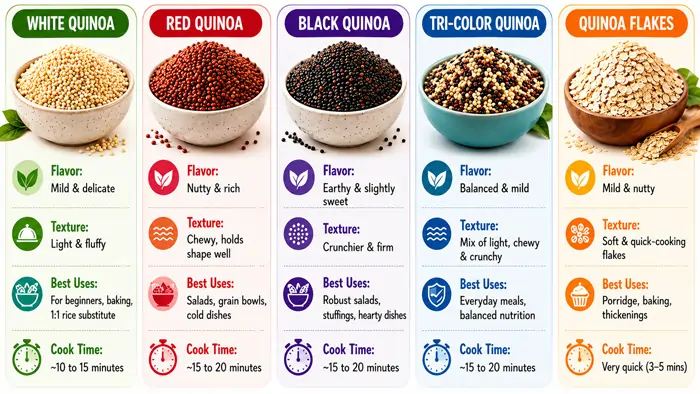
Different Types of Quinoa
Quinoa comes in several varieties. Each type has its own color, texture, and cooking style. These differences help you choose the right quinoa for your meals and recipes.
1. White Quinoa
Also known as ivory, golden, or tan quinoa, this is the most commonly available variety in markets.
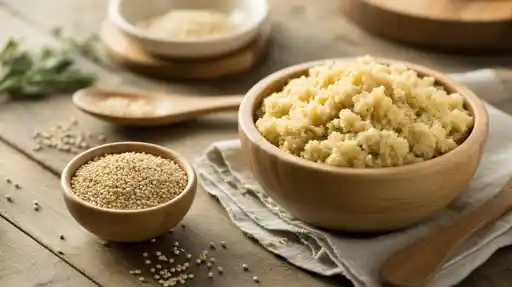
Flavor & Texture: It has the mildest flavor and a soft, fluffy texture after cooking.
Best Uses: Great for beginners, rice substitutes, baked dishes, and everyday meals.
Cook Time: ~10 to 15 minutes.
2. Red Quinoa
Red quinoa keeps its deep reddish color even after cooking, making dishes more visually appealing.
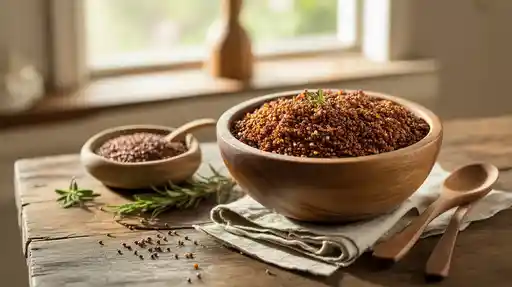
Flavor & Texture: It has a stronger nutty taste and a chewier texture that holds its shape well.
Best Uses: Ideal for salads, grain bowls, and recipes where texture matters.
Cook Time: ~15 to 20 minutes.
3. Black Quinoa
Black quinoa is slightly crunchier and has an earthy, mildly sweet flavor.
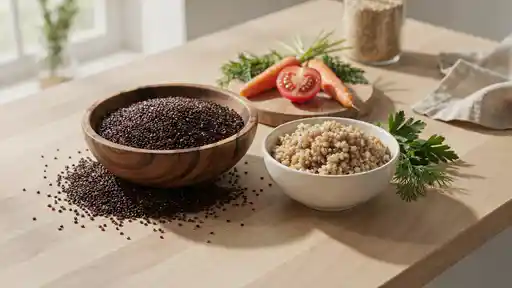
Flavor & Texture: It is firmer than other types and offers a rich color contrast in dishes. It also contains the highest fiber content.
Best Uses: Best for salads, stuffing, and hearty meals needing a firm bite.
Cook Time: ~15 to 20 minutes.
Other Common Varieties
Tri-color (Rainbow) Quinoa: A mix of white, red, and black quinoa. It combines different textures and provides a balance of antioxidants from all three types.
Quinoa Flakes: These are flattened quinoa seeds, similar to rolled oats. They are quick to cook and perfect for porridge, baking, or thickening recipes.
Best Ways to Eat Quinoa
Quinoa is a versatile superfood used in daily meals. It is gluten free and fits well in balanced diets. Many people ask Is Quinoa Gluten Free and the answer is yes due to its unique seed-based structure explained through gluten protein structure chemistry breakdown.
Which Is the Best Time to Eat Quinoa?
Best time to eat quinoa is morning or lunchtime because it provides steady energy release. It works well before workouts for stamina and after workouts for recovery. Since Is Quinoa Gluten Free, it is safe for gluten-sensitive diets and supports clean eating habits throughout the day.
Healthy Ways to Add Quinoa to Meals
Healthy ways to add quinoa include salads, soups, grain bowls, and breakfast porridge. It mixes easily with vegetables and lean proteins. Its texture improves satiety and digestion.
For food science readers, gluten protein structure chemistry breakdown explains why quinoa remains gluten free and suitable for sensitive individuals in daily diets and long-term wellness support overall.
Quinoa for Weight Management and Energy
Quinoa for weight management and energy works because of high protein and fiber content. It helps control appetite and maintains steady blood sugar levels.
Including Is Quinoa Gluten Free makes it suitable for restrictive diets. Its slow-digesting carbohydrates support metabolism and provide long-lasting energy for active lifestyles and daily wellness.
Conclusion
Quinoa is naturally gluten-free and safe for most people with celiac disease, making it a reliable alternative to wheat-based grains. However, choosing certified gluten-free quinoa is essential to avoid contamination during processing.
Cross-contamination risks can introduce trace gluten proteins that may trigger symptoms. Follow strict celiac-safe eating habits, read labels carefully, and prefer verified sources. From a chemistry perspective, quinoa’s protein and starch composition supports stable digestion and balanced nutrition.