Are Oats Gluten Free? How to Find Certified Safe Oats
Yes, oats are naturally gluten free because they do not contain the gluten proteins found in wheat, barley, or rye. However, many oat products become contaminated during farming, transportation, or processing. This is why not all oats are considered safe for gluten-free diets. Choosing certified gluten-free oats is the best option for people with celiac disease, gluten intolerance, or gluten sensitivity.
What Are Oats?
Oats are whole grains commonly used in oatmeal, cereals, granola bars, oat flour, and oat milk. They are one of the most nutritious grains because they provide fiber, protein, vitamins, minerals, and antioxidants. Whole grain oats are naturally gluten free, which is why they are popular in many gluten-free diets. However, regular oats may still become contaminated with wheat, barley, or rye during farming and processing.

Oats are available in several forms, including rolled oats, steel cut oats, instant oats, and whole oat groats. Whether rolled oats r steel cut oats depends on how the oats are processed and whether they are certified gluten free. Certified products are considered safer for people with celiac disease or gluten intolerance.
Nutritional Overview of Oats
Oats contain important nutrients such as fiber, iron, magnesium, zinc, phosphorus, manganese, and B vitamins. They are especially rich in beta-glucan fiber, which supports digestive health and may help lower cholesterol levels. Oats also provide slow-digesting carbohydrates that help maintain energy and fullness for longer periods.
How Oats Differ From Wheat, Barley, and Rye
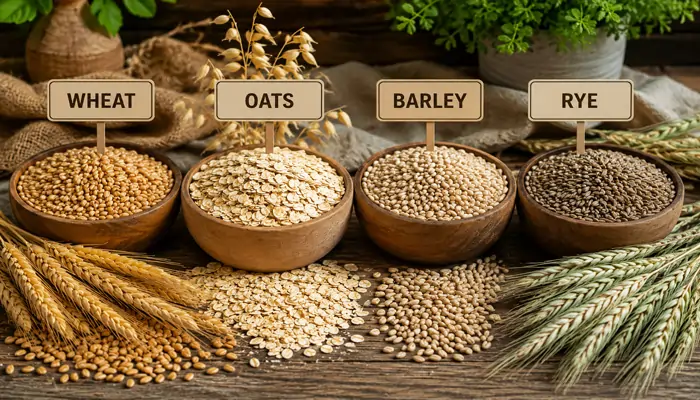
Oats differ from wheat, barley, and rye because they do not naturally contain the same gluten proteins. Wheat contains gliadin, while barley contains hordein. Oats contain avenin, a different protein that most people with gluten intolerance can tolerate. This is why pure oats are gluten free by nature, while barley is not.
Why Oats Are Considered Safe for Many Gluten-Free Diets
Oats are considered safe for many gluten-free diets because they are pure oats and do not contain the harmful gluten proteins found in wheat, barley, or rye. Certified gluten-free oats are produced under strict farming and manufacturing standards to reduce contamination risks. This is why many people with gluten intolerance can safely eat oatmeal, rolled oats, steel cut oats, and overnight oats when they are properly certified.
Certified products are tested to ensure gluten levels remain within safe limits for gluten-free diets. All oats gluten free like rolled oats, steel cut oats or whole grain oats depends mainly on how the oats are processed. Choosing the best gluten free oats helps reduce exposure to hidden gluten contamination.
Different Types of Oats
Most oat varieties are gluten free if they are certified and uncontaminated.
Whole Oat Groats
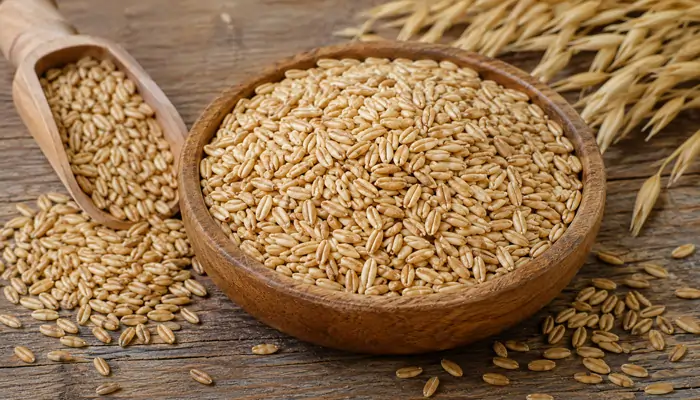
A groat is another name for a grain kernel. Whole oat groats are minimally processed oats that are naturally gluten-free. They are the result of simply harvesting oats, cleaning them, and removing their inedible hulls. You can most often find these in health food stores. They take the longest to cook.
Steel-Cut Oats
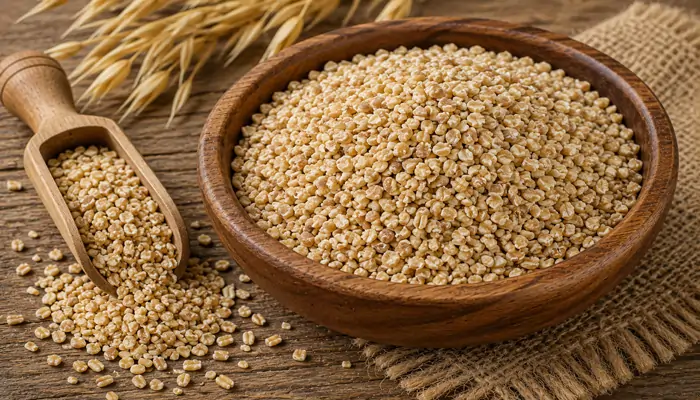
Steel-cut oats are free of gluten when they are certified and processed separately from wheat products. If you cut groats into two or three pieces with a sharp metal blade, you get these oats. They cook more quickly than oat groats, because water can more easily penetrate the smaller pieces. Moreover, these are also sometimes called Irish oatmeal.
Stone-Ground Oats
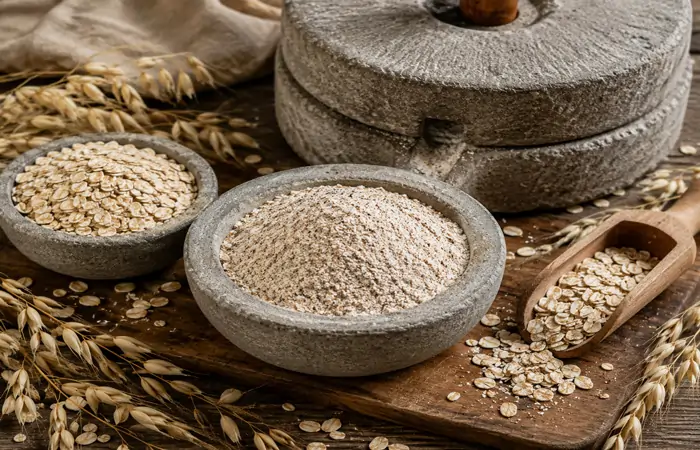
Stone-ground oats are free of gluten if no contamination occurs during grinding or packaging. These oats, famously known as Scottish oatmeal, are whole oat groats milled between stones rather than sliced. This method produces a coarse meal of varying sizes that retains the grain’s natural oils.
Rolled Oats
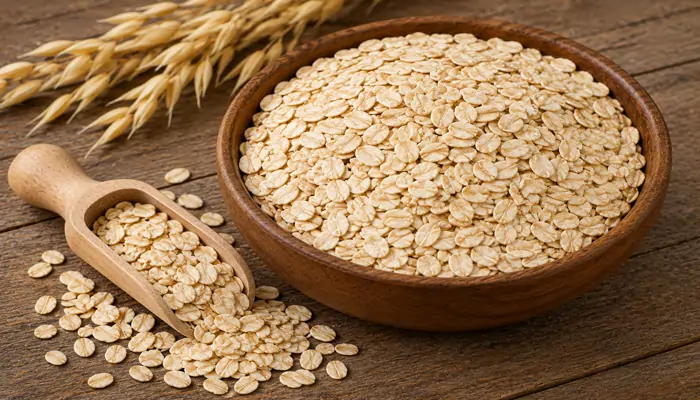
Rolled oats are free of gluten when they are processed in gluten-free facilities. They (sometimes called old fashioned oats) are created when oat groats are steamed and then rolled into flakes. This process stabilizes the healthy oils in the oats, so they stay fresh longer, and helps the oats cook faster, by creating a greater surface area.
Instant Oats
Instant oats can be gluten free, but flavored varieties may contain gluten ingredients. If you roll the oat flakes thinner, and/or steam them longer, you create quick oats and ultimately instant oats. The nutrition stays the same (these are all whole grains) but the texture changes, a plus for some people and a drawback for others. The good thing about having so many choices is that everyone can get exactly the taste they like best!
Is Oatmeal Gluten-Free?
Yes, oatmeal can be gluten free if it is made from certified gluten-free oats. Regular oatmeal products may contain contamination from wheat, barley, or rye during processing. Whether oats are without gluten or have gluten depends on the product label. Certified oatmeal is considered the safest option for free gluten diets and celiac disease.
Regular Oatmeal vs Certified Gluten-Free Oatmeal
Certified oatmeal is tested to ensure low gluten levels and safer processing conditions. Regular oatmeal may contain traces of wheat or barley because of shared equipment. You know certified products are safer for people with celiac disease, gluten intolerance, or gluten sensitivity who need uncontaminated oats for daily consumption.
Common Ingredients That Add Gluten to Oatmeal
Ingredients like malt flavoring, wheat-based additives, cookie pieces, and flavored toppings can add gluten to oatmeal products. Instant oatmeal varieties often contain hidden gluten ingredients. Reading labels carefully helps identify safe oatmeal products and reduces the risk of gluten contamination for people
Is Oat Milk Gluten-Free?
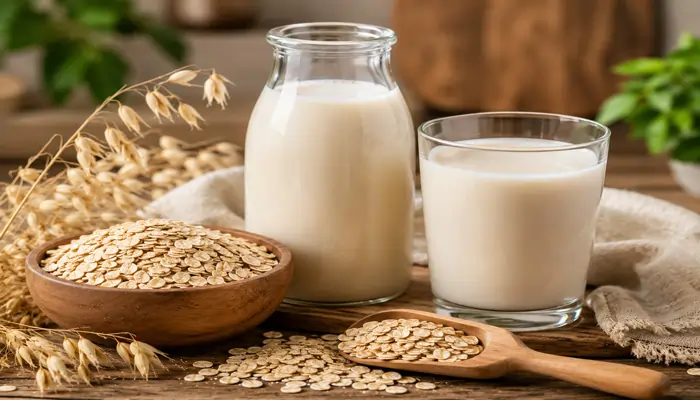
Yes, oat milk can be gluten free if it is made from certified oats. Regular oat milk products may contain gluten contamination during processing. Thus, people with celiac disease or gluten intolerance should choose certified oat milk to reduce the risk of exposure to wheat, barley, or rye proteins.
How Oat Milk Is Made
Oat milk is made by soaking oats in water, blending the mixture, and straining the liquid to create a smooth dairy-free drink. Manufacturers may add sweeteners, oils, vitamins, or flavorings during production. Whether oat milk remains free of gluten depends on the oats used and the processing conditions during manufacturing.
Gluten Risks in Flavored Oat Milk
Flavored oat milk may contain gluten-containing additives, artificial flavorings, or contamination from shared equipment used for wheat-based products. Chocolate, vanilla, and coffee-flavored oat milk products sometimes contain hidden gluten ingredients. Reading ingredient labels carefully helps identify safe products for gluten-free diets and people with celiac disease or gluten sensitivity.
Best Gluten-Free Oat Milk
The best gluten-free oat milk options are products clearly labeled as certified and processed in dedicated facilities. Certified oat milk reduces the risk of contamination from wheat, rye, or barley. Choosing trusted gluten-free brands helps people with celiac disease safely enjoy oat milk without worrying about hidden gluten exposure.
Is Oat Flour Gluten Free?
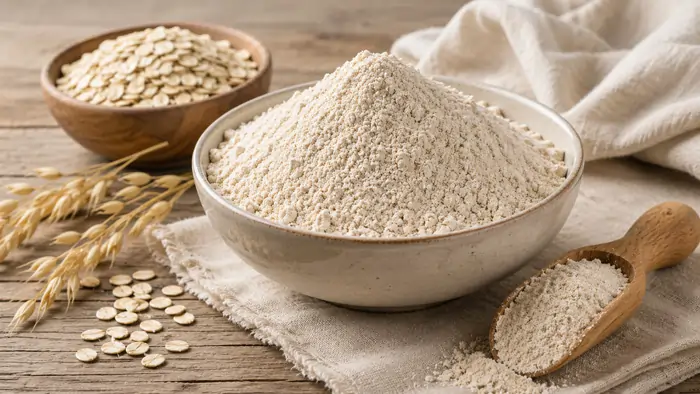
Yes, oat flour is gluten free when it is made from certified gluten-free oats. Regular oat flour may contain contamination from wheat, barley, or rye during manufacturing. People with celiac disease or gluten intolerance should always choose certified oat flour to reduce the risk of hidden gluten exposure and digestive symptoms.
How Oat Flour Is Processed
Oat flour is processed by grinding oats into a soft, fine powder used for baking and cooking. It can remian free gluten depending on the purity of the oats and the manufacturing environment used.
Baking With Gluten-Free Oat Flour
Gluten-free oat flour is commonly used in pancakes, muffins, breads, cookies, cakes, and other baked foods. It provides a mild flavor, soft texture, and additional fiber compared to many gluten free flours. Certified oat flour is popular in gluten-free baking because it improves texture while supporting healthier ingredient choices overall.
Cross-Contamination Risks in Oat Flour
Oat flour may contain gluten if it is processed in facilities that also handle wheat, rye, or barley products. Shared equipment can transfer gluten particles into oat flour during manufacturing. Choosing certified gluten-free oat flour helps reduce contamination risks and makes products safer for people with celiac disease or gluten sensitivity.
Why Do Some Oats Contain Gluten?
Oats naturally do not contain gluten, but some oat products contain gluten because of cross-contamination during farming, transportation, storage, and manufacturing. That’s why the question “Are oats gluten free” can become confusing for people following a strict gluten-free diet. Regular oats, rolled oats, quick oats, and old-fashioned oats may all become contaminated if they are processed near wheat, rye, or barley.
Several factors increase the risk of gluten contamination in oats:
This contamination explains why not all gluten-free oats can always be answered with yes. Even products like oat flour, oatmeal, overnight oats, and oat milk may contain gluten if manufacturers do not follow certified gluten free standards.
Can Natural Oats Cause Digestive Symptoms?
Yes, natural oats can cause digestive symptoms in some sensitive individuals, even when the oats are certified. Some people experience discomfort because of avenin sensitivity or hidden contamination. This is why gluten free oats can cause inflammation, which is a common concern among gluten-sensitive individuals.
Oat Sensitivity and Avenin
Some people react to avenin, the protein naturally found in oats. Although oats are products that do not contain gluten. Avenin may trigger symptoms similar to gluten reactions in sensitive individuals. This reaction is uncommon but can affect certain people with celiac disease or severe gluten intolerance after eating oats.
Oats and Celiac Disease
Most people with celiac disease tolerate certified gluten free oats without problems. However, a small percentage may still react because of avenin sensitivity or accidental contamination. Choosing certified gluten-free oats and introducing them slowly into the diet helps reduce digestive issues and supports safer gluten-free eating habits overall.
Symptoms to Watch For
Symptoms linked to oat sensitivity may include bloating, stomach pain, diarrhoea, fatigue, gas, or nausea after eating oats. These symptoms can appear even when oats are certified. Persistent digestive problems should be discussed with a healthcare professional to identify possible avenin sensitivity or gluten contamination exposure.
Are There Any Benefits to Eating Oats on a Gluten-Free Diet?
Yes, oats provide important nutrients that are often missing in gluten-free diets.
Fiber and Digestive Health
Oats support digestion because they are rich in soluble fiber, especially beta-glucan. This fiber helps improve bowel regularity, supports gut health, and keeps the digestive system functioning properly on gluten-free diets.
Vitamins and Minerals in Oats
Oats contain important nutrients, including iron, magnesium, zinc, manganese, phosphorus, and B vitamins. These nutrients support energy production, immune function, bone health, and overall wellness while improving the nutritional quality of gluten free diets.
Heart Health Benefits
Oats may help lower cholesterol levels because they contain beta-glucan fiber. Regular oat consumption can support healthy blood circulation, improve heart health, and reduce cardiovascular risk when included in balanced gluten-free diets.
Oats for Weight Management
Oats help increase fullness because their fiber digests slowly. Eating oatmeal or overnight oats may reduce overeating, control hunger between meals, and support healthy weight management as part of a balanced diet.
How to Find Gluten-Free Oats
You can find gluten-free oats by checking for certified gluten-free labels and reviewing ingredient lists carefully. Certified oats are processed under stricter safety standards to reduce contamination risks from wheat, barley, or rye, making them safer for people with celiac disease, gluten intolerance, or gluten sensitivity.
Understanding Certified Gluten-Free Labels
Certified labels show that oats have been tested for contamination and meet safety standards. These labels help consumers identify safer products, including rolled oats, steel cut oats, oatmeal, oat flour, and oat milk made specifically for gluten-free diets and celiac disease management.
Tips for Reading Ingredient Labels
Always check ingredient labels carefully before buying oat products. Important tips include:
How Much Oats Can You Eat?
Most people can safely eat moderate servings of certified gluten-free oats daily. Portion sizes vary depending on individual tolerance, digestive health, and sensitivity levels in people with celiac disease or gluten intolerance.
Are Oats Safe for Everyone With Gluten Intolerance?
No, some people with celiac disease or avenin sensitivity may still react to oats. Even certified gluten-free oats can occasionally trigger digestive symptoms in highly sensitive individuals after consumption.
Expert Recommendations for Including Oats
Experts recommend introducing certified gluten-free oats slowly into the diet and monitoring symptoms carefully. Starting with small servings helps identify oat sensitivity while supporting safer long-term gluten-free eating habits.
How to Cook Oats and What to Eat Them With
Oats can be cooked in different ways depending on the type of oats used. Rolled oats cook quickly, while steel cut oats need more cooking time because they are less processed. Overnight oats are prepared without cooking by soaking oats in milk or yogurt overnight.
Simple Ways to Cook Oats
Healthy Foods to Eat With Oats
Certified gluten-free oats pair well with many healthy ingredients, including:
Gluten-Free Oat Meal Ideas
Gluten-free oats are commonly used in:
Choosing certified gluten-free oats helps people with celiac disease or gluten intolerance safely enjoy oat-based meals without worrying about gluten contamination.
Final Thoughts
Yes, oats are naturally gluten free, but not all oat products are safe because of contamination risks. Choosing certified gluten-free oats is the best way to safely enjoy oatmeal, oat flour, oat milk, and other oat products on a gluten-free diet.