Is Cornstarch Gluten Free?
Pure cornstarch made from 100% corn is naturally gluten free. Corn does not contain wheat, barley, or rye, the three grains that produce gluten. However, most cornstarch is processed in facilities that also handle wheat, creating a risk of cross-contamination. For people with celiac disease, only cornstarch that is certified gluten free is truly safe.
What Is Cornstarch?
Cornstarch, also called corn starch or maize starch, is a fine, white powder extracted from the endosperm, the starchy inner core of dried corn kernels. It was first produced in 1844 in New Jersey by Thomas Kinsford and has since become one of the most widely used kitchen ingredients worldwide.
Unlike corn flour, which uses the entire kernel, cornstarch contains only pure starch, roughly 80% carbohydrates with negligible protein or fat. It has a completely neutral flavor, making it ideal as a thickening agent in soups, sauces, gravies, and pies, and as a binder in baked goods and coatings. It is also used commercially in paper, textiles, and pharmaceuticals.
What Does Cornstarch Do?
Cornstarch works primarily as a thickening agent. When mixed into hot liquid, its starch granules absorb water and swell, a process called gelatinization, creating a thick, smooth texture. Unlike flour, cornstarch produces a glossy, clear finish in sauces rather than a cloudy one.
It also coats fried foods to create a light, crispy texture and stabilizes pie fillings and puddings to prevent them from becoming watery.
To use cornstarch correctly, always mix it with cold water first to form a cornstarch slurry before adding it to hot liquids. Avoid overcooking or freezing, as both break down its thickening power and cause sauces to thin out.
Is Cornstarch Gluten Free?
Yes. Pure cornstarch is naturally gluten free. Corn is not one of the three gluten-containing grains (wheat, barley, and rye), and pure cornstarch in its uncontaminated form falls well below the FDA’s safety threshold of less than 20 parts per million (ppm) of gluten.
However, “naturally gluten free” does not always mean “safe for everyone.”
Why Cornstarch Can Still Be a Gluten Risk
Most commercial cornstarch is manufactured in shared facilities that also process wheat-based products. Shared equipment creates a real cross-contamination risk even in products made from corn only. Brands such as Cream, Frontier Natural, and Rapunzel are known to use shared manufacturing equipment, meaning their cornstarch may contain trace gluten above the 20 ppm threshold. For people with celiac disease, even that small amount can trigger an immune response and cause lasting intestinal damage.
The Zein Protein
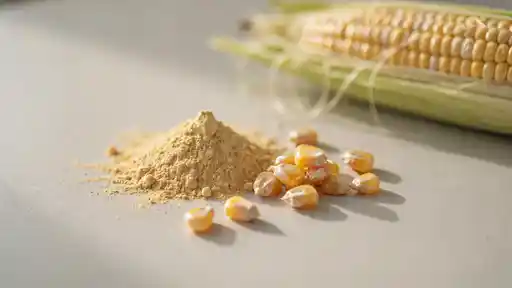
Corn contains a storage protein called zein, sometimes referred to as corn gluten or prolamin. Zein is structurally and sequentially similar to the prolamin proteins found in wheat (gliadin) and rye (secalin). Research has shown that some people with celiac disease and gluten sensitivity react to zein in much the same way they react to wheat gluten.
Dr. Peter Osborne of the Gluten Free Society notes that cornstarch is not truly grain-free even when it is wheat-free, and that sensitive individuals may still experience reactions.
That said, the Celiac Disease Foundation and most mainstream celiac organizations classify corn as safe for celiac disease. Zein sensitivity is considered a separate condition and is not universally recognized in clinical guidelines.
Practical guidance: If you continue experiencing symptoms after switching to certified gluten-free cornstarch, zein sensitivity may be the cause. Speak with your gastroenterologist and consider switching to a grain-free alternative such as arrowroot or tapioca starch.
Is Cornstarch Gluten Free for Celiac Disease?
People with celiac disease can safely use cornstarch but only if it is certified gluten free. Non-certified cornstarch carries a real cross-contamination risk. Even gluten levels above 20 ppm can trigger an immune response and cause intestinal damage, sometimes without obvious symptoms.
Watch for these warning signs after eating non-certified cornstarch: bloating, abdominal pain, diarrhea, fatigue, and brain fog.
By condition:
When in doubt, choose a certified product. Your long-term gut health is worth it.
Gluten-Free Cornstarch Brands — Which Ones Are Safe?
Not all cornstarch is equal. The brand you choose matters enormously, especially if you have celiac disease or severe gluten sensitivity. Here is a brand-by-brand breakdown of safety for gluten-free consumers.
Is Argo Cornstarch Gluten Free?
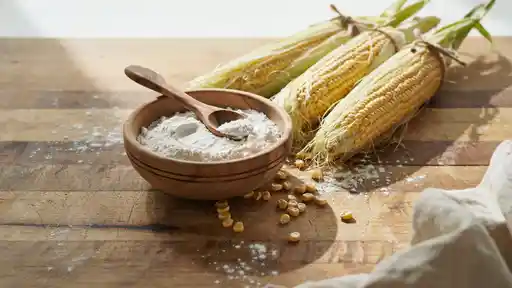
Argo is one of the most trusted mainstream cornstarch brands in the United States. It is clearly labeled gluten free, made from 100% corn with no added wheat ingredients, and widely available in most supermarkets. For everyday gluten-free cooking, Argo is a reliable and accessible choice.
Verdict: Safe and labeled gluten free
Is Bob’s Red Mill Cornstarch Gluten Free?
Bob’s Red Mill is the gold standard for gluten-free cornstarch. It is certified gluten free and processed in a dedicated gluten-free facility, meaning there is no shared equipment with wheat-containing products. This makes it the most trustworthy option available for people with celiac disease who cannot risk even trace contamination.
Verdict: Best choice for a celiac disease dedicated facility
Is Hodgson Mill Cornstarch Gluten Free?
Hodgson Mill labels its cornstarch as gluten free, making it adequate for most people following a gluten-free diet. However, it does not consistently specify whether it uses a dedicated gluten-free facility. For general gluten-free cooking, it is fine, but celiac patients may want the added assurance that Bob’s Red Mill provides.
Verdict: Labeled GF and adequate for most
Is Clabber Girl Cornstarch Gluten Free?
Clabber Girl is a budget-friendly, widely available option that carries a gluten-free label. It is a practical, everyday choice for gluten-free consumers who need an affordable, accessible product.
Verdict: Safe and labeled gluten free
Brands to Approach With Caution
Some cornstarch brands are known to use shared manufacturing equipment, which significantly raises the risk of gluten cross-contamination:
If you have celiac disease, avoid these brands entirely.
Verdict: Risk of cross-contamination, not safe for celiac disease
Brand | Labeled GF? |
Bob’s Red Mill | Yes |
Argo | Yes |
Clabber Girl | Yes |
Hodgson Mill | Yes |
Cream | No |
Frontier Natural | No |
Generic/Store Brand | Usually No |
How to Make Sure Your Cornstarch Is Gluten Free
Follow these seven steps before buying any cornstarch:
Is Cornstarch Healthy?
Cornstarch is nutritionally minimal. Here is what one tablespoon (8g) of pure cornstarch contains:
Nutrient | Amount |
Calories | ~30 kcal |
Carbohydrates | ~7g |
Protein | 0g |
Fat | 0g |
Fiber | 0g |
Sodium | 0mg |
Cornstarch is pure starch with a very high glycemic index (GI ~85–95), meaning it causes a rapid blood sugar spike. It is not suitable for diabetics in large quantities and is not recommended as a primary carbohydrate source. It contains no meaningful vitamins, minerals, or fiber.
That said, cornstarch is used in tiny amounts typically one to two tablespoons per recipe so, its nutritional impact in normal cooking is minimal.
Dietary compatibility at a glance:
Unlike condiments such as soy sauce, which requires careful label-checking to confirm it is gluten-free. Pure certified cornstarch carries no soy, dairy, or gluten concerns in its natural form. It is one of the simpler, cleaner thickeners for people managing multiple dietary restrictions simultaneously.
Gluten-Free Substitutes for Cornstarch
Whether you have run out of cornstarch, react to corn, or are sensitive to zein protein, these gluten-free alternatives work just as well for thickening and baking with zero wheat risk.
Arrowroot Starch: Best Overall Substitute
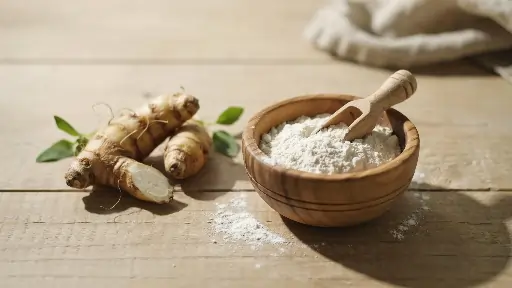
Arrowroot starch is extracted from the roots of the Maranta arundinacea plant. It is naturally gluten free, grain free, paleo, and Whole30-compliant. Its thickening power matches cornstarch exactly, substitute 1:1. It produces an even clearer, glossier finish than cornstarch, making it ideal for fruit desserts and clear sauces. However, it breaks down in dairy-based or highly acidic sauces, so avoid it there.
Tapioca Starch: Best for Baking
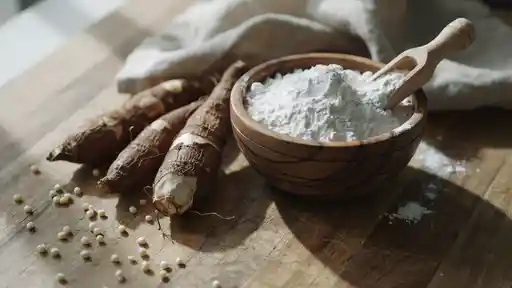
Tapioca starch comes from the cassava root and is naturally gluten free and grain free. It adds a slightly sweet, chewy quality when cooked, perfect for pies, cobblers, and baked goods. Use 2 tablespoons of tapioca starch for every 1 tablespoon of cornstarch. Note that tapioca starch and cassava flour are not the same; cassava flour uses the whole root and produces a much heavier result.
Potato Starch: Best for Soups and Gravies
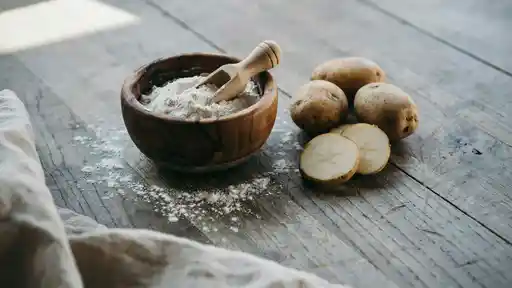
Potato starch is naturally gluten free with strong thickening power. It works at lower temperatures than cornstarch, making it excellent for soups and gravies. Use ¾ tablespoon of potato starch per 1 tablespoon of cornstarch. Remove from heat immediately once thickened; overcooking makes it gluey.
Flaxseed Gel: Best Binder for Baking
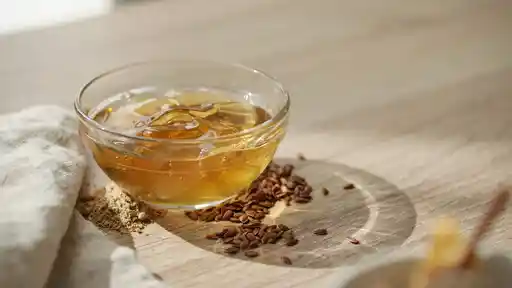
Mix 1 tablespoon of ground flaxseed with 3 tablespoons of water and rest for 10 minutes. This naturally gluten-free, grain-free gel works best as a binder in baked goods rather than a sauce thickener. It adds a nutritional bonus, too: omega-3 fatty acids and dietary fiber.
Water Chestnut Starch: Best for Asian Cooking
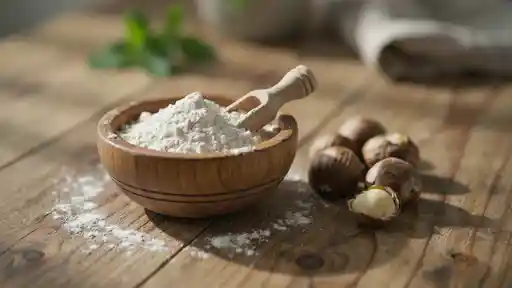
Water chestnut starch is a naturally gluten-free starch popular in Chinese and Southeast Asian cooking. It creates a very light, clear coating that is ideal for stir-fries and dim sum. It is harder to find in Western supermarkets, but it is widely available at Asian grocery stores.
Just as rice is naturally gluten-free and serves as a safe staple grain for celiac patients, rice flour also makes a reliable cornstarch substitute, particularly in batters and coatings, at a 2:1 ratio.
Substitute | Ratio to Cornstarch |
Arrowroot starch | 1:1 |
Tapioca starch | 2:1 |
Potato starch | 3:4 |
Rice flour | 2:1 |
Flaxseed gel | 1:1 (as gel) |
Water chestnut starch | 1:1 |
Common Mistakes to Avoid When Using Cornstarch on a Gluten-Free Diet
Assuming all cornstarch is gluten free: Cross-contamination during manufacturing is a real risk
Buying store-brand cornstarch: Without checking for a certified GF label
Ignoring “modified cornstarch”: On ingredient lists that always verify its gluten-free status separately
Kitchen cross-contamination: Never scoop cornstarch with utensils that have touched wheat flour
Assuming GF cornstarch is keto-friendly, it is still high in carbohydrates and has a very high glycemic index
Stopping your investigation too soon: If symptoms persist after switching to certified GF cornstarch, zein sensitivity may be the cause; similarly, people who react to certified gluten-free oats should consider the same grain-protein sensitivity pattern.
CONCLUSION
So, pure cornstarch is naturally gluten free. But cross-contamination during manufacturing makes certification essential, especially for celiac patients. If symptoms persist after switching to certified GF cornstarch, zein protein sensitivity may be the cause; try arrowroot or tapioca starch instead.
Always read labels, choose certified products, and store cornstarch separately from wheat flour to prevent kitchen cross-contamination. Understanding the molecular composition of your ingredients is the most reliable path to safe, confident gluten-free cooking.