Is Ice Cream Gluten Free?
Plain ice cream made from milk, cream, sugar, and eggs is naturally gluten-free. However, many commercial ice creams contain hidden gluten through mix-ins like cookie dough or brownie chunks, wheat-based thickeners, malt flavoring, and cross-contamination during manufacturing. Always check labels or choose certified gluten-free options before buying.
This guide covers everything you need to know: which plain flavors are safe, which brands are certified gluten-free, which flavours to avoid at all costs, and how to order safely at an ice cream shop so you can enjoy your favorite frozen treat without the worry.
What Is Gluten and Why Does It Matter for Ice Cream?
Gluten is a protein found in wheat, barley, and rye. It is not present in dairy products, sugar, or eggs, which means the core building blocks of ice cream are naturally gluten-free. According to the FDA, any product labeled “gluten free” in the United States must contain fewer than 20 parts per million (ppm) of gluten, a level considered safe for most people with celiac disease.

A helpful acronym to remember is BROW. Barley, Rye, Oats, and Wheat. These are the four grains that contain or are commonly contaminated with gluten. None of them belongs in a basic ice cream recipe, which is why plain ice cream is safe. But the moment a manufacturer adds cookie crumbles, malt syrup, or a wheat-based stabilizer to the mix, the product is no longer gluten free.
There is an important distinction between celiac disease and non-celiac gluten sensitivity. People with celiac disease experience an immune response to gluten that damages the small intestine; even microscopic amounts matter. Those with non-celiac gluten sensitivity may experience digestive discomfort, but without the autoimmune component, making their risk threshold somewhat higher.
For anyone with celiac disease, cross-contamination alone can be enough to cause a reaction, which is why knowing exactly how your ice cream is made and handled matters just as much as reading the ingredient list.
Is Plain Ice Cream Gluten-Free?
Yes, plain, single-flavor ice cream is completely and naturally gluten-free in its purest form. When ice cream is made from nothing but milk, cream, sugar, and a natural flavoring like cocoa powder, vanilla extract, or fresh strawberries, there is no source of gluten anywhere in the product.
According to Beyond Celiac, the most common single-flavor ice creams, including vanilla, chocolate, and strawberry, are gluten-free. The risk enters the picture only when mix-ins, flavoring agents, or stabilizers are introduced. Here is how the most popular plain flavors break down:
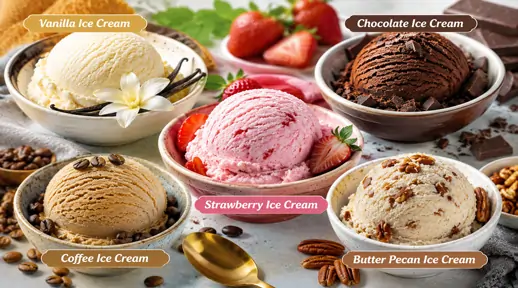
The rule of thumb is straightforward: if the flavor name contains a baked good, a cookie, or a cake, assume it contains gluten unless it carries a certified gluten-free label.
When Is Ice Cream NOT Gluten-Free? Hidden Gluten Risks
The dairy base is rarely the problem; it is everything added to it that creates risk. Plain ice cream becomes unsafe when gluten-containing ingredients are introduced through flavoring, mix-ins, stabilizers, or manufacturing practices.
Gluten-Containing Mix-Ins and Flavors to Avoid
Certain popular flavors almost always contain gluten because they use baked goods, cookies, or wheat-based ingredients as mix-ins directly in the base.
Wheat-Based Thickeners and Stabilizers in Commercial Ice Cream
Some manufacturers add wheat flour, wheat starch, or barley malt syrup to improve texture, binding, and sweetness, none of which are safe for celiac sufferers.
How Does Cross-Contamination Affect Gluten Free Ice Cream?
Cross-contamination happens when gluten free ice cream touches shared scoops, equipment, or production lines, even if the recipe itself has zero gluten ingredients.
Is Ice Cream Gluten-Free? Brand-by-Brand Breakdown
Most major ice cream brands offer gluten-free options, but not all flavors within any brand are safe. Here is what you need to know about the brands people ask about most:
Brand | GF Status |
Häagen-Dazs | Most flavors GF |
Ben & Jerry’s | Certified GF flavors |
Breyers | Most plain flavors are GF |
Baskin- Robbins | Gluten-conscious |
Talenti Gelato | Most flavors GF |
Dairy Queen | Plain soft serve only |
Halo Top | Certified GF |
So Delicious | Certified GF |
NadaMoo | Certified GF |
Dreyer’s / Edy’s | Check label |
Blue Bell | Check label |
Is Dairy-Free Ice Cream Also Gluten-Free?
Dairy-free ice cream is not automatically gluten-free. Being free from dairy and being free from gluten are two entirely separate properties. A product can be one without being the other, and you must check both independently.
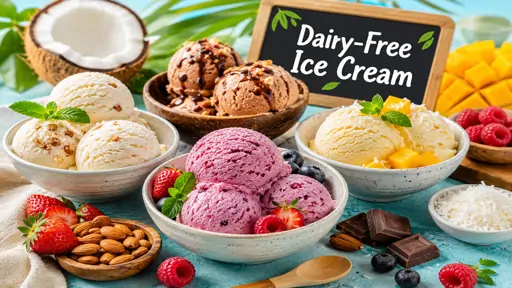
The biggest hidden risk in the dairy-free ice cream category is oat milk. Many popular dairy-free ice creams now use an oat milk base, and oats are commonly cross-contaminated with wheat during growing, harvesting, and processing. For an oat milk ice cream to be celiac-safe, it must either be made with certified gluten free oats or carry a certified gluten-free label. An oat milk ice cream labeled gluten-free but made with regular oats is not considered safe for people with celiac disease.
The safest choices for those who need both dairy-free and gluten-free are brands that are certified for both. So Delicious (coconut milk base) and NadaMoo! (coconut milk base) They are both certified dairy-free and GFCO-certified gluten-free. SorBabes and Arctic Zero also offer certified GF options across their lines. Almond milk and cashew milk bases are naturally gluten-free, but again, always check flavoring agents and facility warnings before purchasing.
Is Ice Cream Gluten-Free for Celiac Disease?
Yes, plain or certified gluten-free ice cream is safe for most people with celiac disease. The Celiac Sprue Association and Beyond Celiac both confirm that common single-flavor ice creams like vanilla, chocolate, and strawberry are generally considered gluten-free and safe for celiac sufferers when purchased from trusted brands.
The primary danger for people with celiac disease is not the dairy base; it is cross-contamination during production and serving. Even a trace amount of gluten from a shared scoop or production line is enough to trigger an immune response and intestinal damage in someone with celiac disease. This is why the standard recommendation from celiac dietitians and patient advocacy groups is to choose only brands certified by the Gluten-Free Certification Organization (GFCO), which requires products to contain fewer than 10 ppm of gluten, half the FDA threshold.
Brands that meet this stricter standard include Ben & Jerry’s (certified flavors), Halo Top, So Delicious, NadaMoo!, and Arctic Zero. For celiac disease, these certified options should always be the first choice over brands that are merely “considered” gluten-free based on their ingredient lists alone.
Gluten-Free Ice Cream Flavors, Safe vs. Not Safe
Use this quick-reference list every time you are unsure about a flavor:
Generally Safe — Plain, Single Flavors: Vanilla, Chocolate, Strawberry, Coffee, Butter Pecan, Mint Chocolate Chip, Peach, Pistachio (plain), Mango Sorbet, Lemon Sorbet, Raspberry Sorbet, Black Cherry, Coconut
Usually Contains Gluten — Avoid Unless Certified GF: Cookies and Cream, Cookie Dough, Birthday Cake, Cheesecake, Brownie Batter, Cake Batter, Oreo, S’mores, Snickerdoodle, Graham Cracker, Fudge Brownie, Malted Milk
Always Check the Label — Varies by Brand: Caramel (some use barley malt), Rocky Road (check fudge ingredients), Toffee, Moose Tracks, Chocolate Fudge, Peanut Butter Cup, Pralines and Cream
Ice Cream Flavor | Status |
Vanilla | Generally Safe |
Chocolate | Generally Safe |
Strawberry | Generally Safe |
Coffee | Generally Safe |
Butter Pecan | Generally Safe |
Mint Chocolate Chip | Generally Safe |
Peach | Generally Safe |
Pistachio (plain) | Generally Safe |
Mango / Lemon Sorbet | Generally Safe |
Cookies and Cream | Contains Gluten |
Cookie Dough | Contains Gluten |
Birthday Cake | Contains Gluten |
Cheesecake | Contains Gluten |
Brownie Batter / Fudge Brownie | Contains Gluten |
S’mores | Contains Gluten |
Snickerdoodle | Contains Gluten |
Malted Milk | Contains Gluten |
Caramel | Check Label |
Rocky Road | Check Label |
Toffee | Check Label |
Moose Tracks | Check Label |
Chocolate Fudge | Check Label |
Peanut Butter Cup | Check Label |
Pralines and Cream | Check Label |
How to Choose Safe Gluten-Free Ice Cream
Follow these five steps every time you pick up a new pint or step into an ice cream shop:
How to Make Your Own Gluten-Free Ice Cream at Home
Making ice cream at home is the safest possible option for anyone with celiac disease or serious gluten sensitivity. You control every single ingredient and eliminate the risk of cross-contamination.
Basic No-Churn Method (No Machine Required):
All three core ingredients are naturally gluten-free, resulting in creamy, scoopable ice cream with zero risk of cross-contamination.
Gluten-Free Flavor Ideas: Fresh strawberry or raspberry puree; certified GF cocoa powder for chocolate; strongly brewed espresso for coffee; peanut butter with certified GF chocolate chips; or homemade salted caramel (sugar, butter, and cream are all naturally GF).
Safe Mix-In Ideas: Certified GF cookies, certified GF brownie pieces, fresh berries, roasted nuts, or certified GF chocolate chips. Always verify that every mix-in carries a GF label. Sprinkles, chocolate chips, and caramel sauce can all contain hidden gluten.
Conclusion
So, is ice cream gluten free? Yes, when it is plain. Dairy, cream, sugar, and eggs contain no gluten, making basic ice cream a naturally safe option for most people, including those with celiac disease and gluten sensitivity. But flavored varieties with cookies, brownie pieces, malt flavoring, or wheat-based stabilizers are not safe. Cross-contamination at ice cream shops and shared production facilities is the most common hidden risk. For the safest experience, stick to certified brands like Halo Top, So Delicious, and NadaMoo!, choose plain flavors from trusted brands like Häagen-Dazs and Breyers, and always order a cup, never a cone, at the ice cream shop.