Is Soy Sauce Gluten Free?
Usually, no. Traditional soy sauce is typically made with soybeans, wheat, salt, and a fermentation culture. Because wheat is a major ingredient in most conventional soy sauces, regular soy sauce is generally not considered gluten free.
This can be confusing because soybeans themselves are naturally gluten-free. However, the wheat added during production introduces gluten, making many soy sauce products unsafe for people with celiac disease, gluten sensitivity, or wheat allergy.
What Is Soy Sauce?
Soy sauce is a fermented seasoning widely used in Asian cuisine. It provides a rich, salty, umami flavor to foods such as stir-fries, sushi, soups, marinades, and dipping sauces.
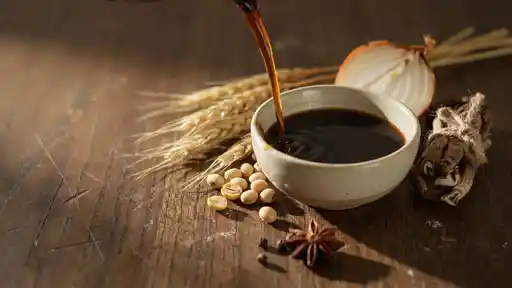
Origin of Soy Sauce
Soy sauce originated in China more than 2,000 years ago and later spread throughout Japan, Korea, Thailand, the Philippines, and other Asian countries.
Today, different regions produce unique varieties, including:
What Foods Commonly Contain Gluten?
Gluten is a group of proteins naturally found in wheat, barley, and rye. It plays an important role in food production by helping dough stay stretchy, hold its shape, and develop the texture people associate with many baked goods. Because of these properties, gluten is widely used in a variety of packaged and prepared foods.
Many people assume gluten is found only in bread and pasta, but it can also appear in less obvious products. Processed foods may contain gluten as a thickener, stabilizer, or flavor enhancer. For individuals with celiac disease or gluten sensitivity, carefully checking ingredient labels is essential.
Foods Commonly Made with Wheat
Wheat is the most common source of gluten and is found in many everyday foods, including:

Foods That May Contain Barley
Barley is another gluten-containing grain often used in processed foods and beverages. Common sources include:
Foods That May Contain Rye
Although less common than wheat and barley, rye still contains gluten and appears in products such as:
Hidden Sources of Gluten
One area many people overlook is hidden gluten in packaged foods. Gluten can sometimes be found in:
If you follow a gluten-free diet, always review ingredient lists and allergen statements carefully, especially when purchasing processed or imported foods.
How Is Soy Sauce Made?
Traditional soy sauce is produced through fermentation.
Standard Ingredients
Most conventional soy sauces contain:
Why Is Soy Sauce Not Gluten Free?
The answer is simple: wheat is intentionally added during manufacturing. Traditional Japanese-style soy sauce often contains approximately equal amounts of soybeans and wheat. During fermentation, wheat contributes flavor, aroma, and sweetness.
Because wheat contains gluten proteins, the finished product is generally not safe for a strict gluten-free diet.
How is soy sauce not gluten-free?
Soy sauce becomes non-gluten-free because manufacturers intentionally add wheat during production.
The process typically involves:
Since wheat remains part of the recipe, the final product cannot automatically be considered gluten free.
Is Soy Gluten-Free?
Yes, soy is naturally gluten free. Pure soybeans do not contain gluten and are generally safe for people with celiac disease and gluten sensitivity. However, some processed soy-based foods may contain gluten-containing ingredients or be exposed to cross-contamination during manufacturing.
Is Soybean Gluten Free?
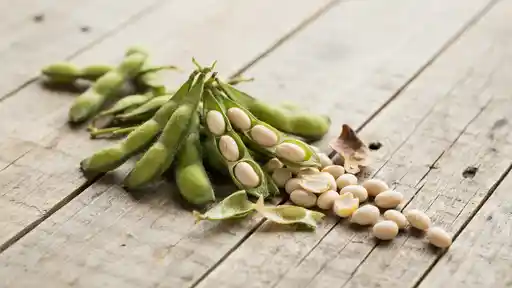
Yes, soybeans are naturally gluten free and do not contain wheat, barley, or rye. Plain soybeans can be safely included in a gluten-free diet. However, flavored, seasoned, or processed soybean products should always be checked for potential gluten-containing additives.
Is Soy Milk Gluten-Free?

Most soy milk is gluten free, as it is typically made from soybeans and water. However, some flavored varieties may contain additives, thickeners, or ingredients derived from gluten-containing grains. Always read the label and choose certified gluten-free products when possible.
Is Soy Lecithin Gluten-Free?
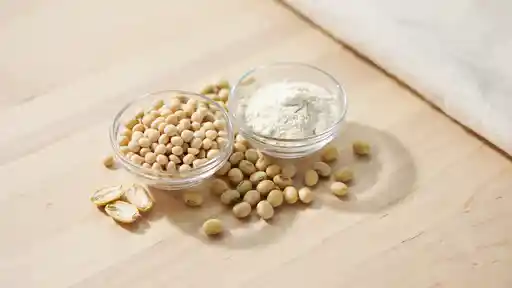
Yes, soy lecithin is generally considered gluten free. It is derived from soybeans and contains very little soy protein. Most health organizations consider soy lecithin safe for people with celiac disease, though individuals with soy allergies should consult their healthcare provider.
What Is Gluten-Free Soy Sauce?
Gluten-free soy sauce is a soy-based seasoning made without wheat or other gluten-containing grains.
Manufacturers may use:
Products must typically test below regulatory gluten thresholds to qualify for gluten-free labeling.
Is There Gluten Free Soy Sauce?
Yes. There are many gluten-free soy sauce products available worldwide.
Common products include:
Is Tamari Soy Sauce Gluten Free?
Often yes. Tamari is traditionally made with little or no wheat. Many modern tamari products are specifically labeled gluten free and are among the safest alternatives for people with celiac disease.
Is Gluten Free Soy Sauce the Same as Tamari?
Not exactly.
Tamari | Gluten-Free Soy Sauce |
Traditional Japanese product | Category of products |
Usually richer flavor | Flavor varies |
Often wheat-free | Must meet gluten-free standards |
Made primarily from soybeans | May use various ingredients |
Tamari is one type of gluten-free soy sauce, but not all gluten-free soy sauces are tamari.
Are Different Types of Soy Sauce Gluten Free?
No, not all types of soy sauce are gluten free. Most traditional Chinese, Japanese, light, dark, and sweet soy sauces contain wheat. However, some tamari and specially labeled gluten-free soy sauces are safe for people avoiding gluten.
Is Chinese Soy Sauce Gluten Free?
Usually no. Most traditional Chinese soy sauces are brewed using soybeans and wheat, which means they contain gluten. While some specialty brands offer gluten-free versions, you should always read the ingredient list and look for a gluten-free label before purchasing.
Is Japanese Soy Sauce Gluten Free?
Usually no. Traditional Japanese soy sauce, known as shoyu, is commonly made with both soybeans and wheat. Because wheat is a key ingredient, most standard Japanese soy sauces are not suitable for people with celiac disease unless specifically labeled gluten free.
Is Korean Soy Sauce Gluten Free?
It depends on the variety and manufacturer. Some Korean soy sauces are made with wheat, while others use different ingredients and may be gluten free. Always check the ingredient list and packaging to confirm whether the product is safe.
Is Thai Soy Sauce Gluten Free?
Not always. Thai soy sauce recipes vary by brand, and many products contain wheat as part of the brewing process. If you follow a gluten-free diet, choose products that clearly state they are gluten free and verify the ingredients.
Is Light Soy Sauce Gluten Free?
Usually not. Light soy sauce is commonly made with soybeans and wheat, making it unsuitable for a strict gluten-free diet. Although it has a lighter color and thinner texture, its gluten content is often similar to regular soy sauce.
Is Dark Soy Sauce Gluten Free?
Usually not. Dark soy sauce is often produced from traditional soy sauce that contains wheat and may also include added sweeteners or caramelized ingredients. Unless the bottle specifically states gluten free, it should not be considered safe.
Is Black Soy Sauce Gluten Free?
Generally no. Black soy sauce is typically a thicker, sweeter variety made from soy sauce that often contains wheat. While gluten-free versions may exist, most conventional black soy sauces are not appropriate for individuals avoiding gluten.
Is Mushroom Soy Sauce Gluten Free?
Usually not. Mushroom soy sauce is commonly made by adding mushroom flavoring to traditional soy sauce, which often contains wheat. Because recipes vary among manufacturers, always review the ingredient label and gluten-free certification before consuming.
Is Sweet Soy Sauce Gluten Free?
Usually not. Sweet soy sauce, often called kecap manis, is typically made with regular soy sauce and added sugar or molasses. Since the soy sauce base frequently contains wheat, many sweet soy sauces are not gluten free.
Is Low Sodium Soy Sauce Gluten Free?
Not necessarily. Lower sodium content does not indicate that a soy sauce is gluten free. Many low-sodium soy sauces still contain wheat and gluten. Always check for a gluten-free claim rather than relying on sodium content alone.
Gluten-Free Soy Sauce Alternatives
If you’re wondering what soy sauce is gluten free or looking for a safe replacement for traditional soy sauce, several alternatives can provide a similar savory flavor without the gluten. These options are especially helpful for people with celiac disease, gluten sensitivity, or wheat allergy who need a reliable soy sauce that is gluten free.

1. Coconut Aminos
Coconut aminos is one of the most popular alternatives to regular soy sauce. Made from fermented coconut blossom sap and sea salt, it offers a slightly sweeter and less salty flavor than traditional soy sauce. Because it contains no wheat or soy, it is naturally gluten free and suitable for many specialized diets. Many people use coconut aminos when they want a soy-free and gluten free soy sauce substitute.
2. Liquid Aminos
Liquid aminos is made from soybeans and provides a rich, savory taste similar to soy sauce. Since it is not brewed with wheat, it is often considered a good alternative for those asking, “is there a gluten free soy sauce?” It works well in marinades, stir-fries, dressings, and dipping sauces.
3. Gluten-Free Tamari
Tamari is often considered the closest substitute to traditional soy sauce. Many consumers searching for is tamari soy sauce gluten free will be happy to know that most gluten-free tamari products are made without wheat and offer a rich, authentic umami flavor. For many people, tamari is the best gluten-free soy sauce available.
4. Worcestershire Sauce
Certain gluten-free Worcestershire sauces can add depth and complexity to recipes. Its fermented ingredients create a bold umami flavor that works well in meat dishes, sauces, and vegetables. Always check the label to ensure the product is certified gluten free.
5. Fish Sauce
Fish sauce is another flavorful alternative for those looking for what is gluten free soy sauce called when traditional soy sauce isn’t an option. Made from fermented fish and salt, it delivers a strong umami taste and can enhance soups, stir-fries, and marinades.
6. Dried Shiitake Mushrooms
The soaking liquid from dried shiitake mushrooms is a simple, naturally gluten-free seasoning. It adds earthy umami flavor to soups, gravies, and vegetable dishes. While it doesn’t taste exactly like soy sauce, it can be a useful low-sodium option for people seeking soy sauce gluten free alternatives.
Cross-Contamination Risks
Even when a soy sauce product does not contain gluten ingredients, it may still be exposed to gluten during production or handling. Understanding cross-contamination risks is essential for people with celiac disease and those following a strict gluten-free diet.
Manufacturing Risks
Even when ingredients appear safe, facilities may process:
Shared equipment can create contamination risks.
Restaurant Risks
Restaurants frequently use:
Packaging Risks
Imported products may have labeling standards that differ from local regulations. However, always review ingredient lists carefully.
Safety for Special Conditions
Is Soy Sauce Gluten Free for Celiac Disease?
Regular soy sauce is generally not recommended for celiac disease.
You should choose only:
Non-Celiac Gluten Sensitivity
Individuals with gluten sensitivity should also avoid wheat-containing soy sauce.
Wheat Allergy
People with wheat allergy should avoid conventional soy sauce unless it is verified wheat-free.
Nutritional Value of Soy Sauce
Key Nutrients
Soy sauce contains small amounts of:
Benefits
Drawbacks
Is Gluten-Free Soy Sauce Good?
Yes. Most people find gluten-free soy sauce very similar in taste to traditional soy sauce.
Tamari often has:
Thus, many consumers actually prefer it.
Is Gluten-Free Soy Sauce Vegan and Gluten Free?
Usually yes. Most gluten-free soy sauces are made from plant-based ingredients such as soybeans, water, salt, and fermentation cultures, making them both vegan and gluten free. However, always review ingredient lists and certifications for specialty products.
Is Gluten-Free Soy Sauce Keto?
Generally yes. Most gluten-free soy sauces are low in carbohydrates and can fit into a keto diet when used in moderation. However, sweetened varieties may contain added sugars that increase carb content, so check nutrition labels carefully.
Is Gluten-Free Soy Sauce Halal?
Often yes. Many gluten-free soy sauce products are considered halal-friendly because they contain plant-based ingredients. However, halal status depends on the manufacturing process and certification, so look for an official halal label when purchasing.
How to Choose a Safe Product
Look for Gluten-Free Labeling
Choose products labeled:
Read Ingredients
Avoid:
Check Allergen Statements
Look for:
Verify Certification
Trusted certifications provide additional reassurance for celiac patients.
Common Mistakes to Avoid
Assuming All Tamari Is Gluten Free: Not all tamari products are wheat-free.
Believing Fermentation Removes All Gluten: Fermentation does not automatically make soy sauce safe for celiac disease.
Ignoring Cross-Contamination: Shared facilities can introduce gluten.
Assuming Imported Products Follow Local Rules: Labeling requirements differ between countries.
Trusting Restaurant Soy Sauce: Most restaurant soy sauce is not gluten free.
Conclusion
So, is soy sauce gluten free? In most cases, the answer is no. Traditional soy sauce contains wheat, making it unsuitable for people with celiac disease, gluten sensitivity, or wheat allergy. Understanding why soy sauce is not gluten free helps consumers make safer choices and avoid accidental gluten exposure. The fermentation and chemical composition of soy sauce play an important role in determining whether gluten-containing ingredients are present.
FAQs About Gluten and Soy Sauce