Gluten Free Diet For Healthy Life
Ever had a slice of bread or a bowl of pasta and then later felt uncomfortable, bloated, or tired? Many people experience these symptoms, which are not random and can be associated with gluten. That’s why the gluten free diet is one of the most popular diets in the world.
Gluten free doesn’t mean a fad; it’s a medical requirement for some. Meanwhile, others use it to help in digestion, increase energy, or just for the sake of healthier eating. But there is still confusion as to what gluten-free foods really mean and why everyone needs to avoid gluten.
This is a complete beginner’s guide, where you will learn all the basics of gluten and useful tips for a gluten-free lifestyle. This diet may be a good choice for health or just to explore and understand, but no matter what, this guide will give you clarity and confidence.
Understanding Gluten and Gluten Free Basics
What is gluten?
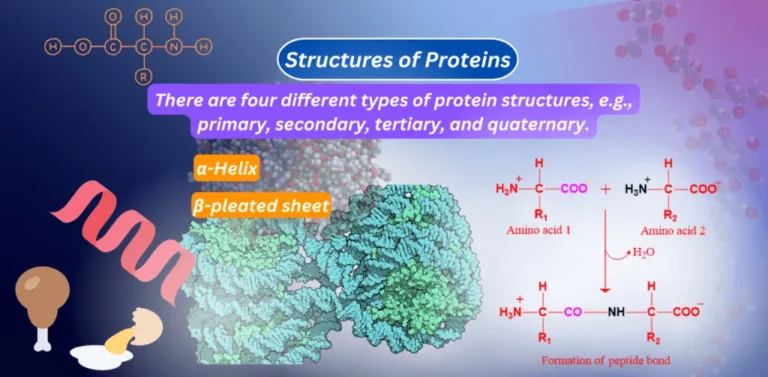
Gluten is a protein that’s naturally found in grains like wheat, barley, and rye. Gliadin and glutenin are the two primary proteins in wheat, giving distinct textures to baked products.
Gluten is a sticky, elastic network that develops when flour is combined with water. This network allows air to bubble and the dough to rise during baking, creating the soft and chewy texture of bread.
Many baked goods that would otherwise be dense and crumbly would fall apart without gluten. Gluten is a structural agent from food science. It offers elasticity, stability, and moisture retention. Therefore, it is widely used in sauces, processed food products, and even some unusual products, as well as bread.
What Does Gluten Free Mean?
“Gluten-free” indicates foods that are free of gluten or have less than 20 ppm of gluten, which is the safe amount. The gluten free diet involves removing all gluten from the diet. This includes both obvious and hidden sources. Foods such as bread and pasta are obvious sources, and sauces, dressings, and processed snacks are hidden sources.
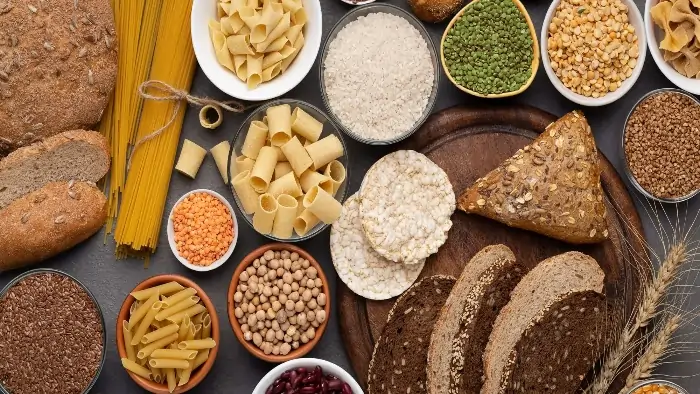
Another important part of a gluten-free lifestyle is to avoid cross-contamination. Very small amounts of gluten can trigger the symptoms of gluten sensitivity.
Why Do People Follow a Gluten-Free Diet?
Many people follow a diet plan of free gluten for a variety of reasons, some of which are non-medical.
1. Medical Conditions
Those who have celiac disease should stay well clear of gluten, or else they risk damaging their intestines.
2. Gluten Intolerance
People with gluten sensitivity might not have celiac disease, but they feel bad after eating foods that contain gluten.
3. Digestive Health
Transitioning to a free gluten diet can make some people feel less bloated and lighter.
4. Lifestyle Choice
Over the last few years, the gluten-free lifestyle has become popular and is part of a general health-conscious diet.
Common Myths About Gluten Free Foods
The gluten-free food is popular, but it has some myths.
Myth 1: Gluten-Free Means Healthier
Not always. Numerous gluten-free nutrition are also loaded with additional sugar, fats, and preservatives.
Myth 2: It Guarantees Weight Loss
Weight loss is not due to gluten; it is based on calories and the quality of the food.
Myth 3: All Carbs Contain Gluten
False. Some starches, such as rice or potatoes, don’t contain gluten.
Myth 4: Everyone Should Avoid Gluten
Gluten is not harmful for those who are not sensitive to it.
By knowing these lies, you’ll be able to make better food choices.
Who Needs a Gluten-Free Nutrition?
Gluten Intolerance and Sensitivity
Gluten intolerance, or non-celiac gluten sensitivity, is a disorder that results from the ingestion of gluten in people who are not celiac but who experience symptoms after eating it.
Symptoms may include:
It is not as crippling as celiac disease, but it can have a big impact on day-to-day life. Adopting a diet plan without gluten can offer some relief.
Celiac Disease Explained
Celiac disease is a problem with the immune system in which gluten damages the lining of the small intestine.
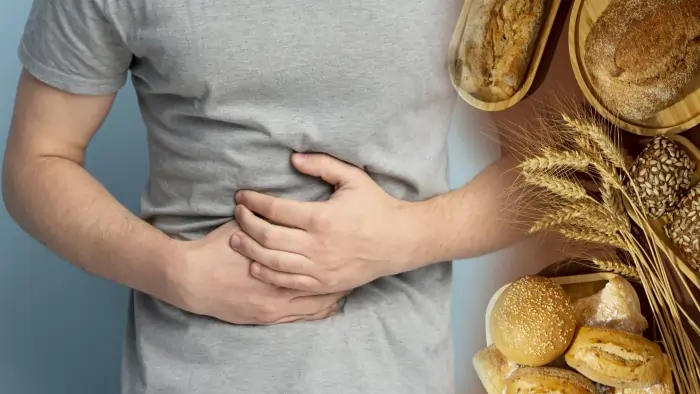
Here’s what happens:
This can cause severe health issues like anaemia, bone loss, and fatigue over time.
The only cure is to eat the diet that is gluten free throughout life.
Is a Gluten-Free Diet Healthy for Everyone?
A gluten-free diet is not necessarily healthier for everyone. While it is essential for people with conditions like celiac disease, gluten intolerance, or non-celiac gluten sensitivity, most healthy individuals do not need to avoid gluten.
Gluten itself is a natural protein found in grains such as wheat, barley, and rye. These grains also provide important nutrients like:
For people without gluten-related disorders, removing gluten may actually reduce the intake of these nutrients if the diet is not carefully planned.
Many packaged gluten-free products are also highly processed and may contain:
However, a diet can still be healthy when it focuses on naturally gluten-free whole foods like:
In simple words, a food of gluten free is medically necessary for some people, but it is not automatically healthier for everyone. The healthiest diet is one that is balanced, nutritious, and suitable for your individual health needs.
Signs You Might Need to Avoid Gluten
If you have any of the following symptoms, you may want to consider a food that is gluten-free:
It’s important to consult a healthcare professional before making changes.
Naturally Gluten-Free Noursihments You Can Eat
Naturally Gluten-Free Whole Foods
A diet that is gluten free offers numerous advantages, one of which is the range of healthy foods that are inherently free from gluten.
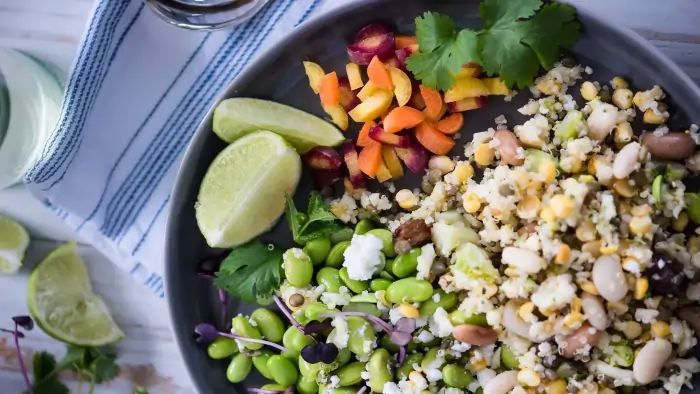
These include:
These foods are healthy and essential to a good gluten-free lifestyle.
Is Rice Gluten-Free?
Absolutely, rice is a gluten-free recipe and one of the safest foods.
There are several types of rice, such as:
Rice is an easy-to-use, inexpensive, and popular gluten-free meal globally.
Fruits, Vegetables, and Protein Sources
Fresh fruits and vegetables are gluten-free foods and rich in vitamins, minerals, and fibre.
Protein sources include:
These are beneficial in keeping energy levels steady and maintaining a healthy lifestyle.
Safe Grains and Gluten-Free Flour Options
Wheat can be replaced with the following:
Commonly used in gluten-free cooking and baking.
Common Foods That Contain Gluten
Wheat-Based Products to Avoid
The first thing people think of when they start a diet with gluten-free bread. However, many more foods contain gluten than people think. Gluten can often be found in everyday foods because wheat is one of the most commonly used grains in the world.
Gluten is found in the following common wheat-based foods:
Because of this, these foods may be entrenched in eating habits, making it difficult to make the switch to a gluten-free eating habits at first. The challenge is not only to avoid wheat but also to know where it is likely to be found.
For instance, a lot of individuals stop consuming bread yet do not realise that some breadcrumbs, flour coverings, and even certain soups contain gluten. One of the primary steps is awareness.
Hidden Gluten in Processed Food
Being gluten-free can be one of the most challenging parts of the diet because people often don’t realize that gluten is present in products that they don’t typically think of as containing it.
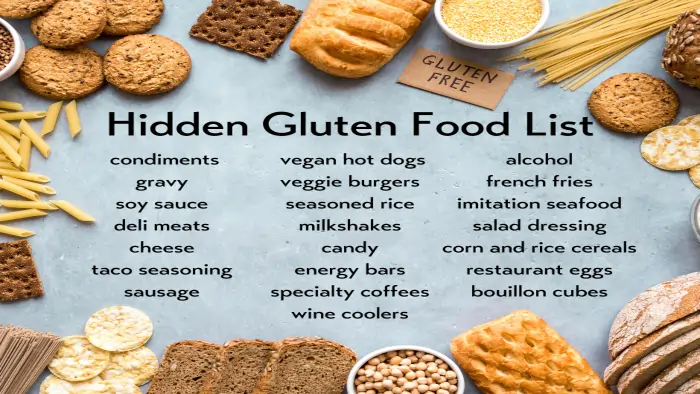
Gluten is utilized by manufacturers for flavour stability, texture, and thickening. This means that some gluten-containing items might not have an apparent grain origin. Processed food items that can contain gluten include:
It can be confusing to beginners. Small parts of a food, like modified starch, malt flavoring, or wheat-based ingredients, can still make it an unfit food. That’s the reason why it can sometimes be simpler to eat whole gluten-free recepies than to depend heavily on packaged foods.
Understanding Food Labels
When it comes to a free gluten diet, reading food labels is an everyday routine. “Gluten-free” is a good indicator of legal safety. But not all products that are safe will be labelled that way, so it’s still important to check ingredients.
These are some words to be mindful of:
Many new customers only look at the front of the box. The actual information will typically be found in the ingredients list.
When in doubt, simpler is better. Fewer ingredients make it easier to assess what foods are in the products.
In the beginning, you might get tired of reading the labels, but once you’ve got this down, it’s really second nature to you and one of the most valuable skills a successful gluten-free lifestyle can have.
Surprising Sources Like Sauces and Snacks
The ingredients that catch everyone out when they go gluten-free are some. Some foods catch almost everyone off guard when they begin a gluten free eating plan.
Here’s a list of places you may find gluten in foods you don’t expect:
Why is this so? Gluten can be utilised as a stabilizer, thickener, or flavoring. Some examples: beginners might not know that soy sauce typically contains wheat. Flavored snacks can be made from wheat-based seasoning as well. This is the reason why it is better to create an awareness of ingredients rather than only avoiding bread and pasta.
Popular Gluten Free Alternatives
Gluten-Free Bread and Gluten-Free Bread Recipe Basics
Gluten-free bread is one of the most popular gluten-free foods searched for when it comes to a gluten-free nourishment, and that’s because it is an essential item for gluten-free individuals. Many people cut back on bread, and it is hard to stop eating it.
Gluten-free bread typically uses flour blends and binders to achieve its texture, unlike regular bread. Common ingredients include:
Most basic gluten-free bread recipes include the basic ingredients: gluten-free flour, eggs, water, oil, and a binder. These may not be the same as wheat bread, but today’s recipes have come a long way.
Many new to gluten-free bread making find that toasting their bread makes it taste and feel better.
Gluten-Free Pasta and Grains
Another big issue for those beginning a gluten-free lifestyle is pasta. But, thanks to gluten-free pasta, this is no longer a problem, and there are various ingredients from which this type of pasta is made, such as the following:
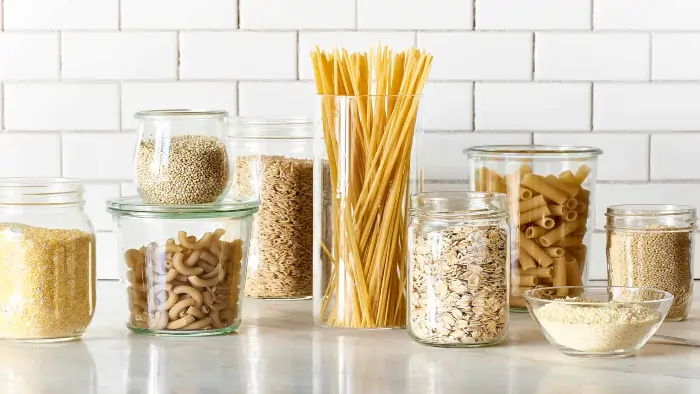
There are a few different textures in each type. Rice pasta is similar to any other pasta. Health-conscious eaters tend to prefer lentil pasta and chickpea pasta because they are better sources of protein and fiber.
Many are naturally gluten-free grains and make a great meal option:
The benefits of these grains are that they bring variety, and many novice eaters end up following the same diet over and over.
Gluten-Free Pizza and Substitutes
Pizza is one of the toughest foods to go without, but it doesn’t have to be. There are several different ingredients used today for gluten-free pizza crusts, such as:
Purchase or make your own crusts; both are convenient. The most basic tips for the pizza novice are to not expect the same pizza as you are used to. Consider gluten-free pizza a different kind of pizza altogether. This mentality will facilitate the transition.
Gluten-Free Beer and Beverages
The typical beer is made with barley and, therefore, is not gluten-free. However, there are more and more gluten-free beers available. It’s generally produced from grains, including the following:
Most wine, distilled spirits, sparkling water, tea, and coffee are naturally gluten-free, but check carefully for flavored varieties.
Even beverages are forgotten, but they play as significant a role as food. A wide range of gluten-free snacks is available, along with a selection of gluten-free everyday items.
Gluten-Free Snacks and Everyday Options
Best Gluten-Free Snacks for Beginners
Once you get the hang of it, it’s a lot easier to snack. Some of the gluten-free snacks are:
These are safe and easy to do, so they are suitable for beginners. Making sure to always have a couple of good gluten-free snacks on hand is one of the savviest tips for new players to the game. This will prevent you from eating on impulse when you are hungry.
Packaged Options Like Gluten-Free Cheez-Its
With careful reading of the labels, packaged snacks can also be a part of a gluten-free diet. Popular examples include:
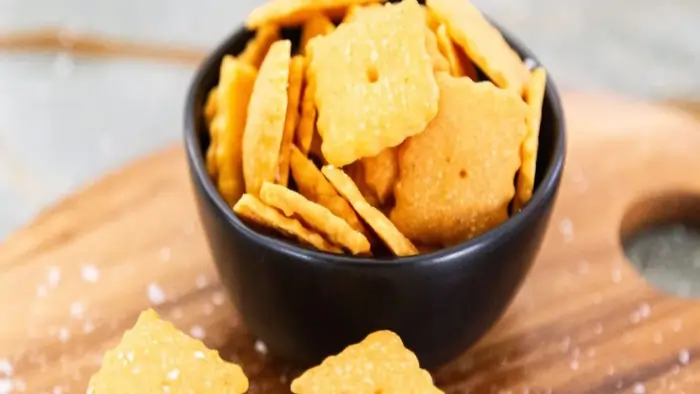
Convenience foods are useful, particularly on busy days. Packed snacks should, however, serve to complement your diet, rather than take its place. Whole foods that are still free from gluten are the biggest nutritional base.
Easy Homemade Snack Ideas
They tend to be cheaper and more convenient and to have better control of ingredients when making them. Simple ideas include:
Homemade snacks are also great for helping a beginner realize that they don’t need to purchase certain specialty items, which may be more costly.
Budget-Friendly Foods
One of the misconceptions is that gluten-free is always costly. The truth is, it’s quite feasible to have a gluten-free diet that you can live with on a budget if you keep some of the fundamentals in mind. Affordable staples include:
One of the costliest aspects of eating gluten-free is buying packaged foods that are gluten-free in bulk. Whole ingredients are not only better for you, but they’re also easier on the wallet.
Gluten-Free Desserts and Treats
Popular Gluten-Free Desserts
There’s no need to sacrifice dessert on a gluten-free diet plan. Some popular gluten-free desserts are
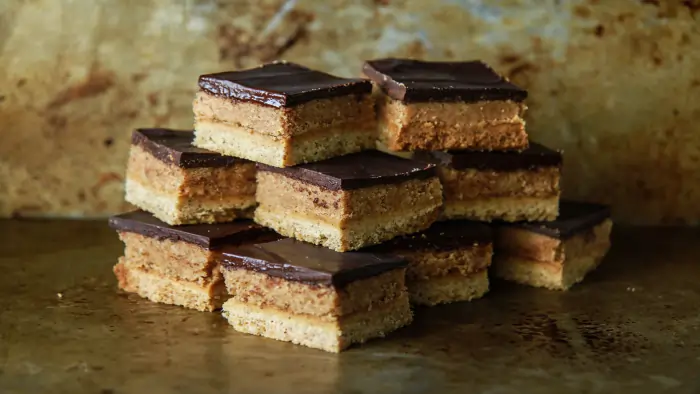
There are also a lot of gluten-free desserts since a lot of them are naturally gluten-free, making it easier to adapt to a gluten-free lifestyle than many people realize.
Gluten-Free Cookies and Baked Goods
Gluten-free cookies have increased in popularity, particularly. They are usually produced with:
The most difficult aspect of gluten-free baking is texture. Gluten-free baked goods may crumble more easily. For this reason, many recipes call for eggs, xanthan gum, or psyllium husk to add structure.
Simple Gluten-Free Dessert Recipes
A simple gluten-free dessert recipe from the pantry is one of the easiest recipes to make for beginners. For example:
Mix:
Bake until golden. Depending on proportions, this versatile base can be a muffin, cookie, or cake. The takeaway is a positive one: there is a lot of ease in baking when one knows what he has to substitute.
Gluten-Free Sourdough Bread and Baking Tips
Since the fermentation process enhances the flavor and texture, gluten-free sourdough bread is a more popular choice.
It requires:
The following are some helpful gluten-free baking tips:
At first, baking may seem daunting, but it can be fun once mastered.
Getting Started with a Gluten Free Lifestyle
How to Transition to Gluten-Free Eating
Gradual replacement is the easiest way to start.
For example:
Attempting to change a lot of things at once may seem daunting. Little bits of behavior can lead to big habits.
Meal Planning and Shopping Tips
Planning is a great help. These are good habits that should be developed in the beginning:
Just a bit of preparation now can stave off frustrations down the road.
Avoiding Cross-Contamination
Cross-contamination is important, particularly for those with celiac disease. Small amounts of gluten can be an issue. Helpful precautions include:
This is one of the most important practical gluten-free lifestyles.
Common Mistakes Beginners Make
There are some common errors that beginners tend to make. Common ones include:
It makes it easier and healthier to transition without these mistakes.
Conclusion
Living without gluten can be a difficult task when you first start, but with a bit of information, you can make it easy. Once you learn what gluten is, what foods contain it, and how to pick out the gluten-free options, you’re on your way to gaining confidence in no time. A gluten-free diet is necessary for people who are gluten intolerant or have celiac disease.
In other cases, it can be a method for increasing awareness of ingredients and food quality. The easiest way is really just to follow the basics: eat whole foods, check labels, stay away from any foods containing hidden gluten, and slowly develop a routine. With time, a gluten-free lifestyle is not restrictive but practical, fun, and sustainable.