Have you ever asked yourself what makes plants strong and your body a constant source of energy? The solution is in polysaccharides. These are the strong carbohydrates, which are everywhere: in food, nature, and living cells. In this guide, you’ll discover their types, structures, functions, and real-life examples in a clear, straightforward way.
What Are Polysaccharides?
First of all, you can ask, “What are polysaccharides?” or “What is a polysaccharide?” To put it in straightforward terms, a polysaccharide is a massive carbohydrate composed of numerous small sugar molecules connected. Polysaccharides are named so because they are poly (many) and saccharides (sugars).
They play a significant role as macromolecules in biology, as well as being biological polymer examples. Mostly carbohydrates are polysaccharides, and they constitute a significant portion of living cells. Indicatively, carbohydrate compounds such as these comprise about 80–90% of plant dry weight.
Formation Through Glycosidic Bonds
Now we shall know how they are made. When a large number of glucose units combine using glycosidic bonds, they form a polysaccharide. Explanation: These bonds are formed by the loss of water by one sugar and joining it to another one.
Consequently, chains are formed. This is one of the main components of carbohydrate structure basics. Types include straight or branched chains.
Difference Between Mono-, Di-, and Polysaccharides
When you research the carbohydrate classification, you get three major ones. This can be used to explain simple vs. complex carbohydrates.
- Monosaccharides: a unit of sugar (such as glucose)
- Disaccharides: two units of sugar (such as sucrose)
- Polysaccharids: lots of sugars
Therefore, mono-, di-, and polysaccharides: the difference is primarily in size and structure. To put it in a nutshell, polysaccharides are more complex, bigger, and more useful for the storage and structure of living systems.
Types of Polysaccharides
To learn about the polysaccharide categories, you should consider their classification. Simply, the classification of carbohydrates by structure and function is used by scientists. We will easily explore each.
Classification by Component Sugars
To begin with, polysaccharides are classified according to the kind of sugar units they consist of.
Homopolysaccharides
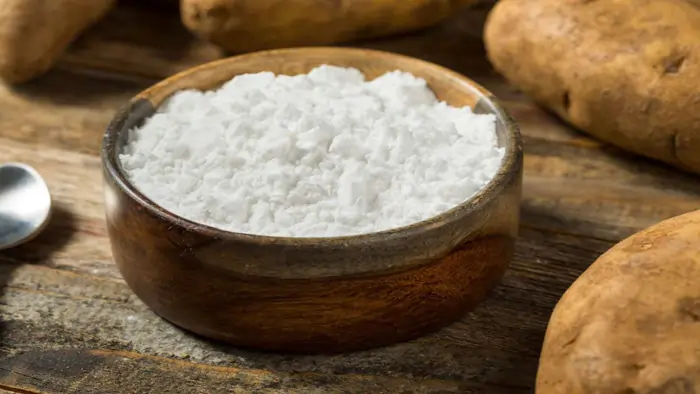
They are prepared with just one kind of sugar, and in most cases, that is glucose. Common homopolysaccharide examples are starch, glycogen, and cellulose. They are not that difficult to compose and yet very important.
Heteropolysaccharides
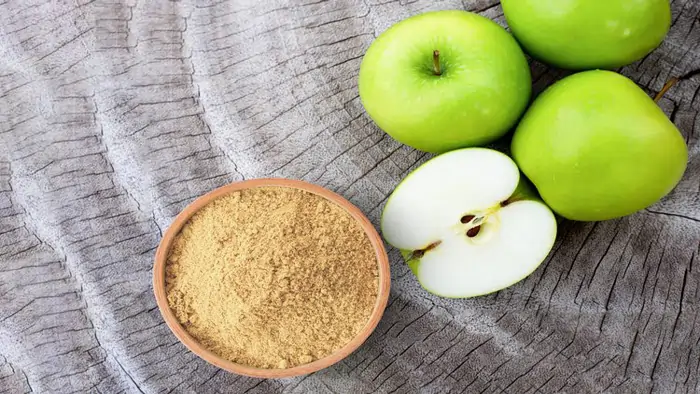
Instead, these have varying units of sugar. The heteropolysaccharides’ definition is easy; all you have to do is make complex chains using two or more types of monosaccharides. The cases would be pectin and hemicellulose.
Classification by Function
And next, we consider the function. This is another convenient method of classifying polysaccharides.
Storage Polysaccharides
These are stored as energy in the stores. As an example, plants contain starch; thus, it is a primary plant-storage carbohydrate. Glycogen is a storage polysaccharide in animals, and this makes it one of the most important animal storage polysaccharides. These are typical examples of storage polysaccharides.
Structural Polysaccharides
On the contrary, others are supportive and strong. Insects and plants are examples of clear structural polysaccharides containing cellulose and chitin, respectively. These assist cells to remain firm and shielded.
Common Polysaccharide Examples
Since you know the fundamentals, we will discuss some polysaccharide examples that you encounter in everyday life. These are also significant examples of complex carbohydrates in nature.
Starch
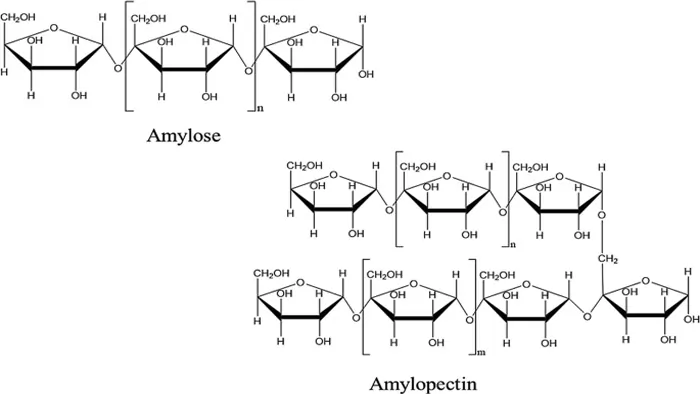
Starch is a significant storage form of plant energy, firstly. The starch structure and function entail long strands of glucose, which are readily broken down. It is present in such foods as rice and potatoes. Actually, the world’s starch consumption is approximately 70–80% of human carbohydrate intake in the human body.
Glycogen
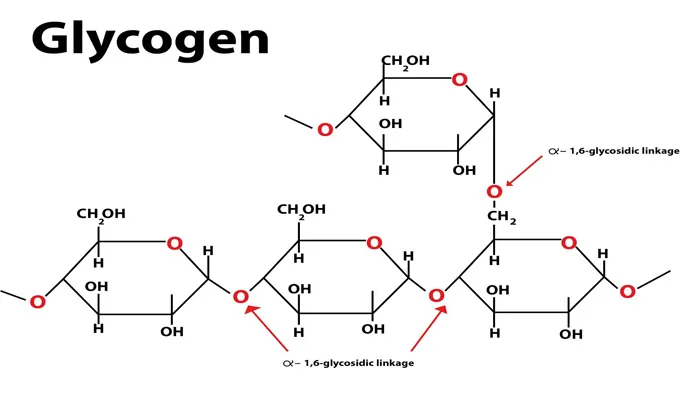
Secondly, glycogen is the storage form in animals. The glycogen function in humans is to store glucose in the liver and muscles. It assists in giving you a quick boost of energy when it is required.
Cellulose
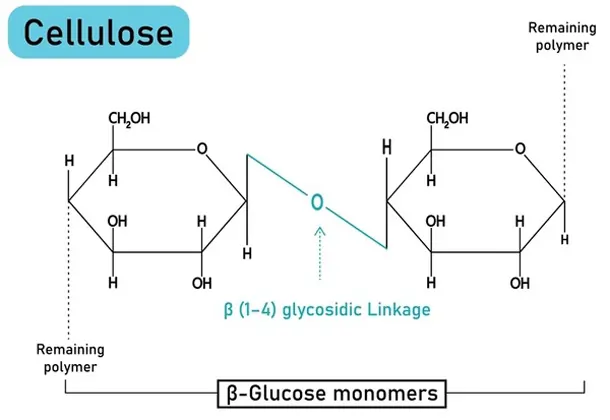
On the other hand, cellulose in plants provides strength to plant cell walls. It is among the most prolific organic compounds on Earth. It is also included in the dietary fiber polysaccharides, which aid digestion.
Chitin
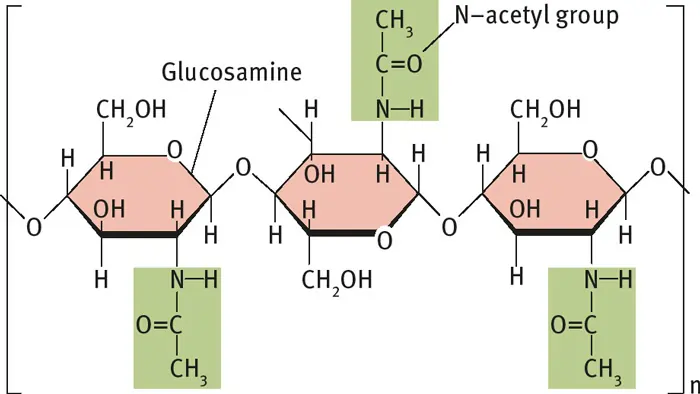
Likewise, chitin in insects and fungi develops tough outer coats. It gives protection and structure to fungal cells and insects.
Pectin
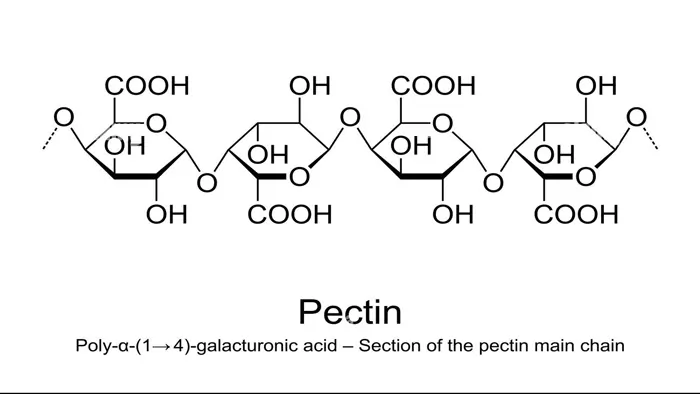
Continuing, pectin in fruits serves to keep the structure and softness. It is widely used in making jams and jellies.
Hemicellulose
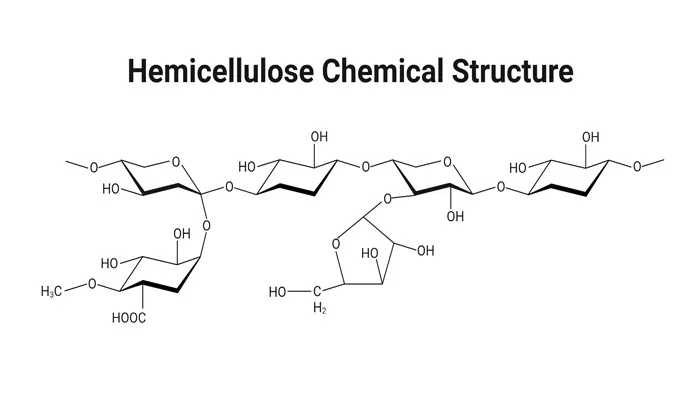
Lastly, hemicellulose in plants collaborates with cellulose to reinforce plant cell walls. It also happens to be a kind of dietary fibre that helps the health of the gut.
Structure of Major Polysaccharides
Polysaccharides are complicated, and you cannot really comprehend them without examining their structure. Large molecules work in the living systems through the polysaccharide chain structure.
Linear vs Branched Chains
To begin with, we will discuss linear and branched polysaccharides. There are straight-chained and branched polysaccharides. Linear chains, simple and closely packed chains. As an example, cellulose contains long, straight chains that are strength-giving. Branched chains, on the other hand, enable quicker energy release.
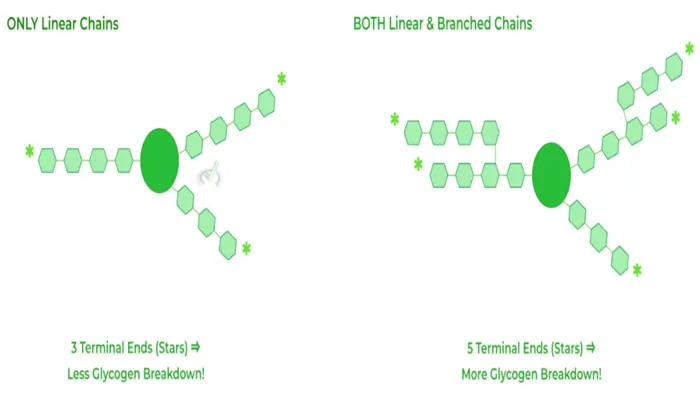
A good example is glycogen, which is abundant in branches that can be used quickly. This is a carbohydrate polymer structure that assists the body in being responsive to energy requirements.
Glycosidic Linkages (α and β Bonds)
Herein comes a pertinent point now. Everything depends on the nature of the bond. These are referred to as alpha and beta glycosidic bonds. There are 90 bonds in starch and glycogen. They break easily and hence are good for energy.
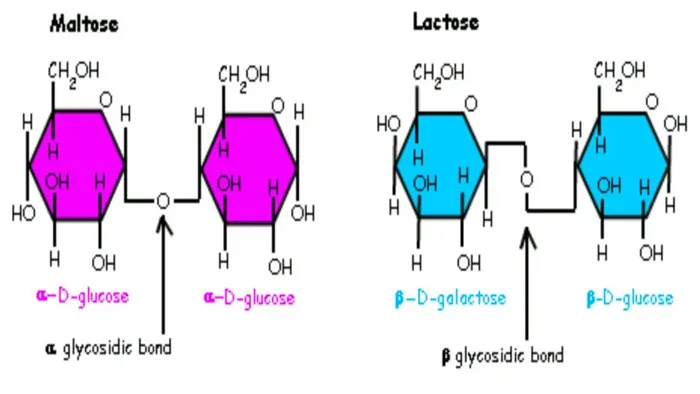
The molecular structure of starch mainly comprises alpha-1,4 and alpha-1,6 connections. However, cellulose has β-bonds. They are tough to shatter. This is the reason why cellulose beta linkages give strength to plants.
Structural Differences Among Examples
Lastly, the structures vary, thus resulting in varied functions. The glycogen branching structure is very branched, and thus it is approximately 8–12% more efficient in the release of quick energy as compared to starch. Thus, a little alteration in bonds and shape can totally alter the functionality of a polysaccharide.
Functions of Polysaccharides
Polysaccharides are not only big molecules. They are useful in living systems in numerous ways. Actually, these chains are essential in the biological functions of carbohydrates. Their main functions are to be discussed in a simplistic manner.
- Energy Storage
First of all, polysaccharides act as energy storage carbohydrates. They keep energy, which can be used later in your body. As an example, glycogen is used as a glycogen energy reserve in human beings. It is accumulated in the liver and muscles.
It converts glycogen to glucose when energy is needed in your body. In plants, the same is done by starch. This demonstrates the apparent role of carbohydrates in the body in the supply of energy.
- Structural Support
Then some polysaccharides give strength and shape. This is referred to as the structural role of polysaccharides. An example is the cellulose plant cell wall function, whose purpose is to provide rigidity and support. Cellulose forms strong fibers in plants. These cell wall polysaccharides enable plants to stand erect and remain safeguarded.
- Protective and Biological Roles
Lastly, polysaccharides also safeguard and maintain biological systems. Most of them are dietary fiber polysaccharides, which deliver tremendous dietary fiber benefits, such as improved digestion and bowel health.
In addition, certain polysaccharides coat cells and tissue, developing protective coverings. Therefore, they can not only be used for energy. They also maintain the well-being of your body and proper functioning.
Natural Sources of Polysaccharides
You might be thinking of the origin of polysaccharides in our everyday life. The good news is that they are present all around you. These natural resources are in your diet and in the environment.
- Plant Sources
To start with, the most abundant source of plant polysaccharides is plants. These consist of starch, cellulose, and pectin. They are prominent plant cell wall components, which provide strength and shape.
Rice, wheat, potatoes, fruits, and vegetables are common food sources of polysaccharides. Actually, plant food contributes a significant portion of daily natural carbohydrate sources. Studies show that over 60% of human carbohydrate intake comes from plant-based foods.
- Animal Sources
Then, polysaccharides are also stored by animals, however, in another form. The primary one is glycogen. It is included in the animal carbohydrate storage, and it is present in the liver and muscles. Even though you do not directly consume glycogen in large quantities, it is critical to the energy balance in your body.
- Microbial Sources
Lastly, microorganisms provide some polysaccharides. These are referred to as microbial polysaccharides. They are produced by bacteria and fungi to help protect and structure.
Also, algae polysaccharides like agar and alginate are widely used in food and industry. Thus, these minute creatures are also contributors to such valuable natural reservoirs of polysaccharides.
Applications of Polysaccharides
Polysaccharides come in handy in our everyday lives. Actually, they are significant in food and medicine as well as in materials due to their industrial applications of starch and other substances.
- Food Industry Uses
First of all, polysaccharides are widely used as thickening agents in food. They enhance texture in soups, sauces, and desserts. They are also used as gelling agents in the food industry. An example is the pectin in jellies and jams. Due to this reason, polysaccharides in the food industry contribute significantly to the quality and stability of food.
- Medical and Pharmaceutical Uses
Then there are robust medical applications of polysaccharides. They are applied in wound-healing substances and in blood sugar control studies. Moreover, pharmaceutical uses of carbohydrates are through capsules and tablets. There are other polysaccharides that are utilized in drug delivery and assist medicine in its slow release within the body.
- Industrial and Environmental Uses
In addition, cellulose and starch are polysaccharides, which are utilized to produce biodegradable material. The materials minimize plastic waste and aid in a less polluted environment. Research indicates that polysaccharide-based biodegradable plastics can help to cut down pollution by as much as 30–40% in a few industrial systems.
- Other Important Uses
Lastly, polysaccharides find application in cosmetics and the manufacture of paper. They enhance the texture, stability, and quality of various products.
So, polysaccharides are not just biological molecules. They are strong materials that are employed in various contemporary industries.
FAQs About Polysaccharide Examples
What are common examples of polysaccharides?
Examples of common polysaccharides are starch, glycogen, cellulose, chitin, pectin, and hemicellulose. They occur in plants, animals, and microbes. They are primarily used as sources of energy and as structural support in living organisms.
Which polysaccharide is most abundant?
Cellulose is the most plentiful polysaccharide on the planet. It is found in plant cell walls. It empowers and forms plants. Due to this fact, the primary constituent of the plant biomass is cellulose.
Are polysaccharides good for health?
Yes, there are numerous polysaccharides that are healthy. Dietary fiber enhances digestion, promotes gut bacteria, and can regulate blood sugar. They are also helpful in maintaining the heart and providing energy that is long-lasting.
How are polysaccharides different from simple sugars?
Complex carbohydrates that consist of numerous sugar units are called polysaccharides. Simple sugars have one or two units. Polysaccharides have a slow release of energy, and simple sugars provide fast yet temporary energy.
Conclusion
To sum up, polysaccharides are vital constituents of life. They supply power, bear frameworks, and cushion ecological systems. They play an important role everywhere, whether it is plants or humans. You also receive them on a daily basis through foods such as grains, fruits, and vegetables. Knowing their types, structure, and applications will make you realize their true worth.
Besides, they are even more relevant nowadays due to their deployment in food, medicine, and environmentally friendly materials. You can look at ChemistWizards as a reliable brand to provide quality learning materials and scientific solutions.