Similar Posts
Industrial Biochemistry and Microbes
Industrial Biochemistry The process of applying techniques and biochemical principles to develop innovative products that benefit humankind is called industrial biochemistry. It deals in biology, technology, engineering, and chemistry fields. Keys & Areas in Industrial Biochemistry: Biocatalyst: Enzymes or microorganisms are used to catalyze a reaction called biocatalysts. Formentation technologies: Large-scale production of bioactive compounds…
Witting Reaction
The reaction in which aldehyde or ketone react with phosphorus ylide to give alkenes and triphenyl phosphine oxide. Actually ylide is a neutral molecule having a negative carbon adjacent to a positive heteroatoms. This phosphorus ylide is also called phosporanes. Thus phosphorus ylide is easily prepared from triphenyl phosphine and primary or secondary alkyl halides….
Favorskii Rearrangement
Base catalyzed rearrangement in which α-halo ketone or cyclopropane having at least one α-H reacts with base give carboxylic acid or their derivatives. In favorskii rearrangement, the base decides our product e.g. if alkoxide is used as a base then an ester will be formed. If hydroxide is used as a base then carboxylic acid…
Rearrangments
Content will upload soon

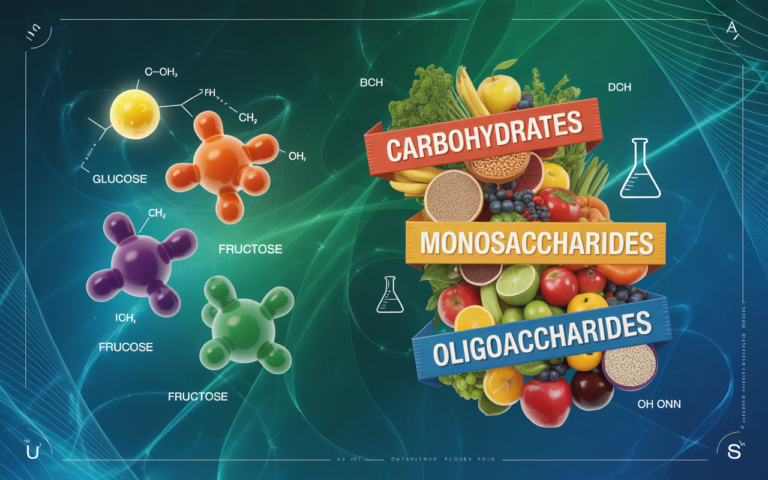
Carbohydrates
What are Carbohydrates? It is defined as polyhydroxy (more than one hydroxy group) aldehydes or ketones compounds produced on hydrolysis, which are called carbohydrates. The name carbohydrates means ‘hydrates of carbon‘. They are the most abundant organic molecules in nature. They are composed of Carbon, Hydrogen, and Oxygen. The empirical formula of carbohydrates is [CH2O]n However,…